


The international exchange and cooperation conference of local academies of Sciences was held in Jinan
Release time: 2025-06-06 Correspondent: Wang Jinyao Photography: Zhu Yuyan Li Xiaobai Source: Propaganda Department (News Center) Supply reviewer: Yan Yong Editor in charge: Wang Jinyao Views: 1536
From June 4 to 6, the International Exchange and Cooperation Conference of Local Science Academies, sponsored by Qilu University of Technology (Shandong Academy of Sciences) under the guidance of Shandong Provincial Department of Science and Technology, was held in Jinan. More than 100 domestic and foreign experts from research institutes in China, Russia, Belarus, Uzbekistan, Serbia and other countries attended the conference.
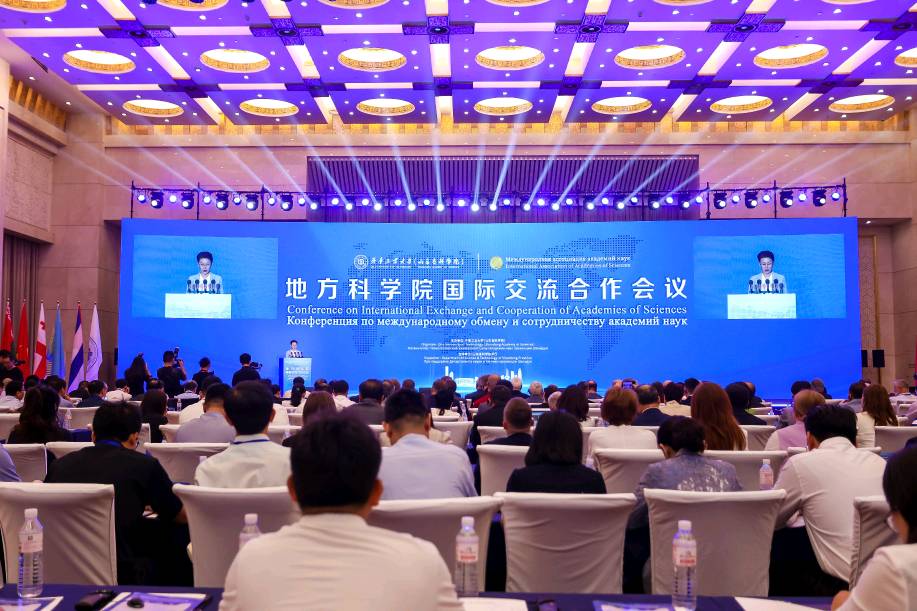
The event was attended by Gusekov, the Chairman of the International Association of Academies of Sciences and Advisor to the Presidium of the Belarusian National Academy of Sciences; Aldoshin, Deputy President of the Russian Academy of Sciences; Dudik, Publisher of Belarusian Science and Co-Chair of the International Association of Academies of Sciences Committee on Book Culture, Book Publishing, and Library Academic Affairs; Wang Guiying, Deputy Governor; Zhang Tian, Director of the Department of International Cooperation and Overseas Guidance at the Ministry of Science and Technology; Sun Haisheng, Director of the Provincial Department of Science and Technology; Xie Pengfei, Deputy Director of the General Office of the Provincial Government; Zhu Enyuan, Deputy Director of the Provincial Department of Science and Technology; Wang Juncheng, Researcher at Qilu University of Technology (Shandong Academy of Sciences); Wu Yantao, Party Secretary of Qilu University of Technology (Shandong Academy of Sciences); Duan Peiyong, President of Qilu University of Technology (Shandong Academy of Sciences); and Liu Chunyan, Secretary of the Party Leadership Group of Heilongjiang Academy of Sciences.
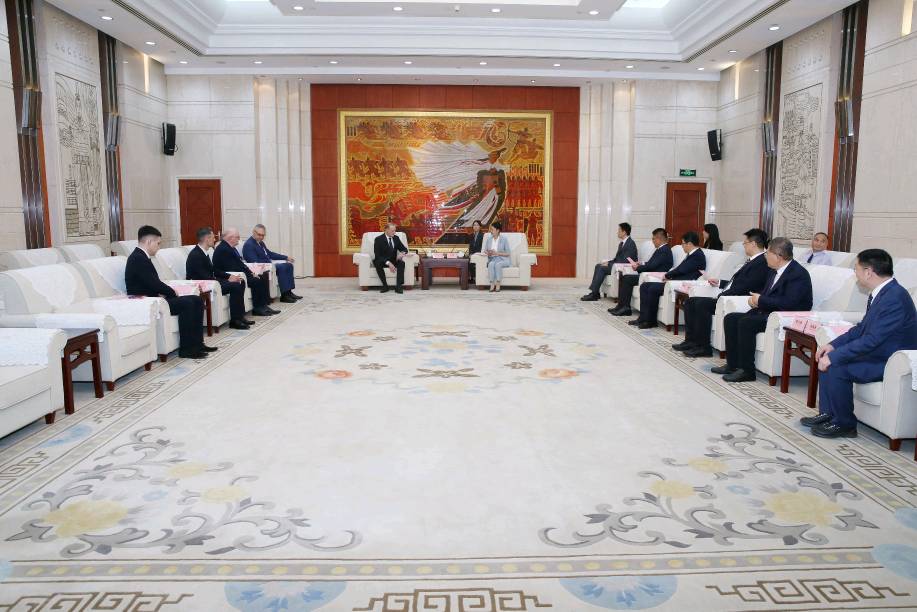
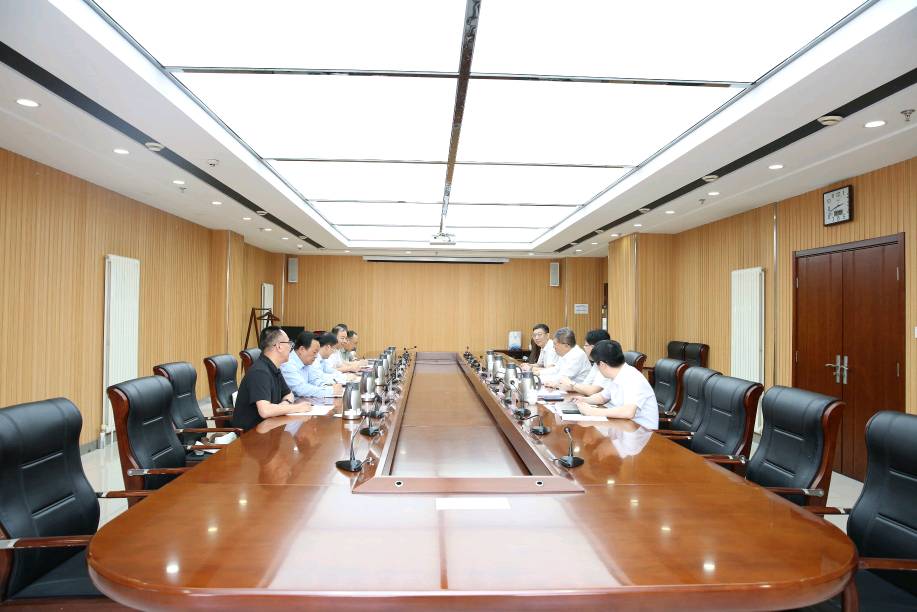
Before the opening ceremony, Wang Guiying, Sun Haisheng and other leaders cordially met with Gusekov and his delegation.
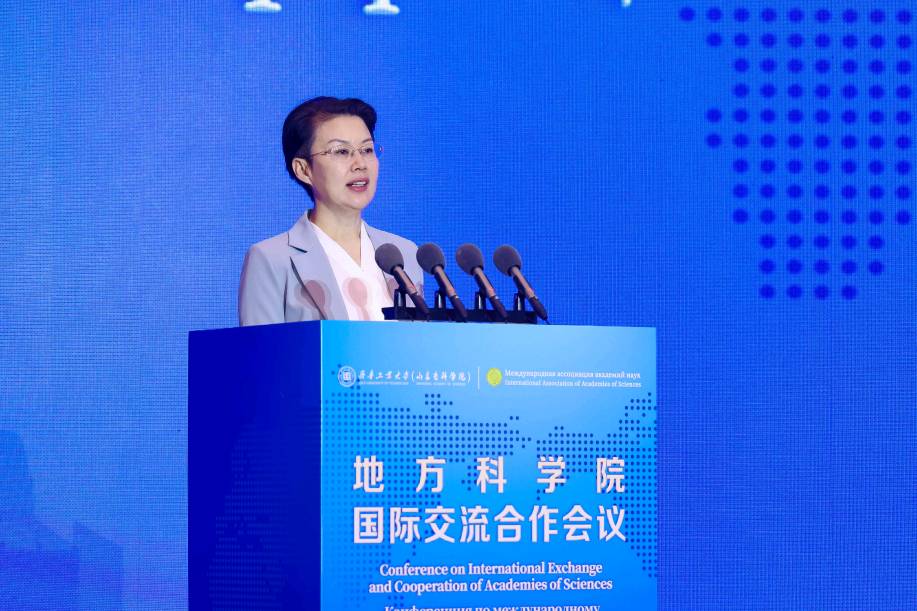
In her speech, Wang Guiying, on behalf of the Shandong Provincial Peoples Government, welcomed and thanked all the distinguished guests. She noted that Shandong is accelerating its innovation-driven development strategy, developing new productive forces suited to local conditions, and striving to become a regional innovation hub. This has created fertile ground and endless opportunities for deepening scientific and technological exchanges and cooperation. She proposed three cooperation initiatives for this conference: First, to jointly create new highlands for scientific research breakthroughs, focusing on key areas such as artificial intelligence, green and low-carbon technologies, and life sciences. By leveraging their respective comparative advantages, they can link with innovative resources from around the world, plan collaborative projects, and achieve significant innovations, thereby promoting the deep integration of scientific and industrial innovation. Second, to jointly build new platforms for scientific and technological cooperation, exploring the establishment of new R&D institutions and technology transfer centers, and creating more platforms for international cooperation. Third, to jointly establish a new mechanism for coordinated interaction, guided by the International Association of Academies of Sciences and the Ministry of Science and Technology, focusing on technology, talent, and equipment, to establish a broader and closer collaboration and sharing mechanism, collectively inspiring the powerful synergy of climbing the peak.
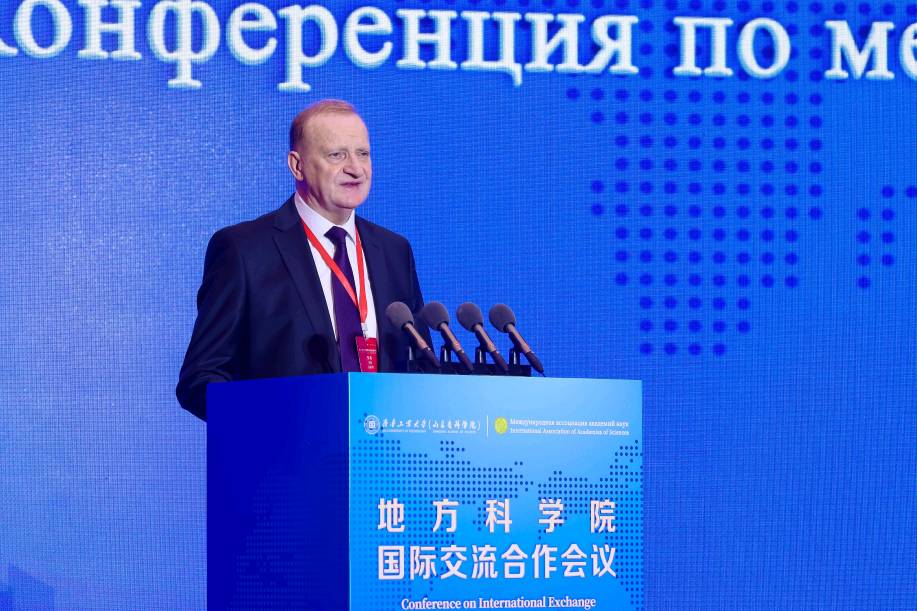
In his speech, Gushakov expressed sincere gratitude to Qilu University of Technology (Shandong Academy of Sciences) for their hard work in preparing for the conference. He also highly praised the universitys significant achievements in scientific innovation, talent development, and international cooperation. Gushakov briefly outlined the history, platform construction, technological leadership, and project collaboration of the International Association of Academies of Sciences. He hoped that the association would serve as a bridge and link, promoting in-depth interdisciplinary and cross-sectoral dialogue and resource sharing among member units through a variety of academic exchange activities. This would help explore new models of global scientific and technological innovation cooperation that are mutually beneficial and win-win, and establish a new pattern of international scientific and technological cooperation that is multi-level, comprehensive, and broad-spectrum.
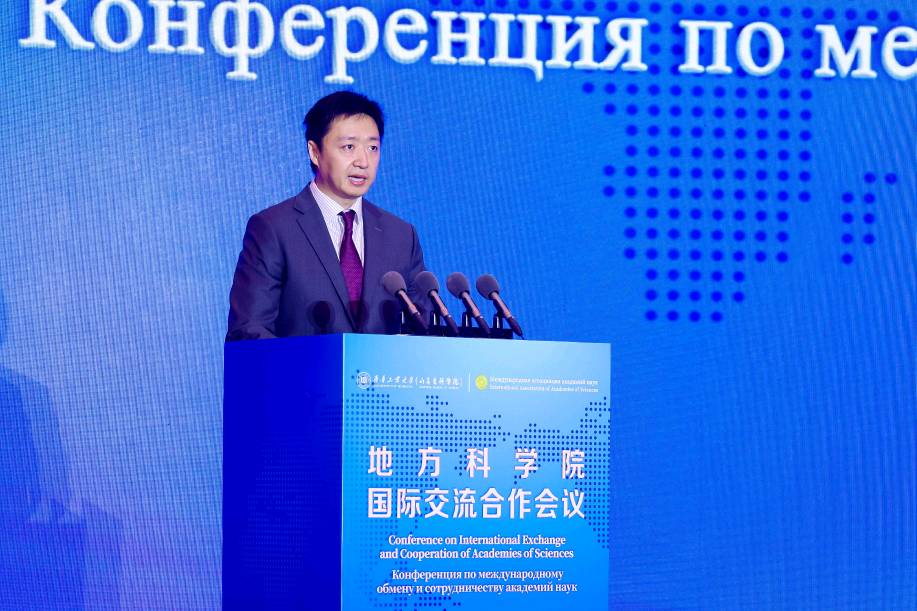
In his speech, Zhang Tian stated that in recent years, Shandong has been committed to the significant mission of leading the way and taking on major responsibilities. By expanding openness and leveraging external resources, Shandong has aimed to create a new high ground for international cooperation. The province has strengthened its innovation resource aggregation, forming new advantages in scientific and technological openness and cooperation, and has become a leader in Chinas local international scientific and technological cooperation. Moving forward, the Ministry of Science and Technology will actively implement the international scientific and technological cooperation initiative, fully promote the deepening and solidification of Belt and Road (a term referring to a specific framework for international cooperation) scientific and technological innovation cooperation, and continue to facilitate multi-dimensional cooperation in talent, technology, achievements, and platforms. This will help to weave a tighter circle of science and technology friends, and jointly write a new chapter of international cooperation and win-win development.
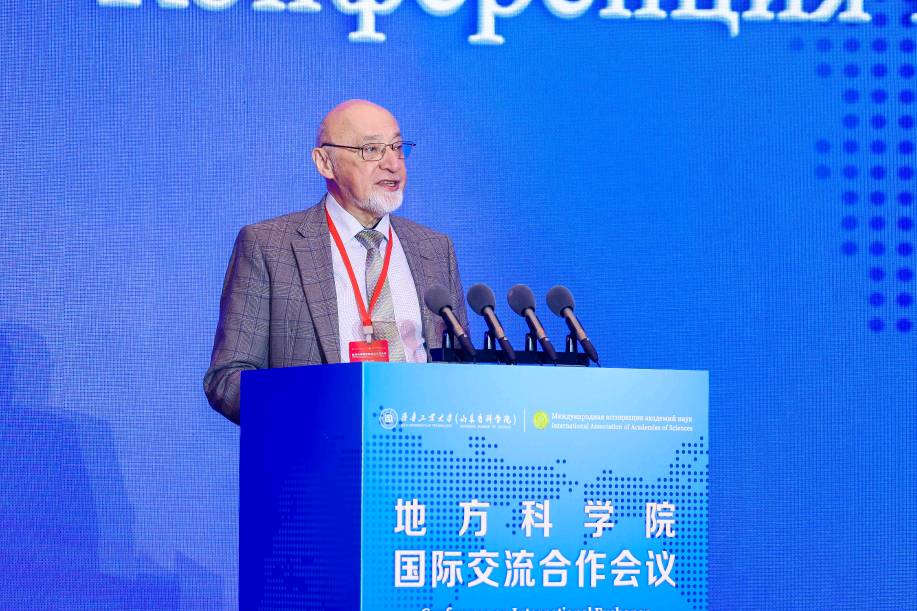
In his speech, Aldoshin noted that the Russian Academy of Sciences has a long history and strong research capabilities, achieving significant results in natural sciences and humanities. He hopes to use this conference as an opportunity to engage in deep academic dialogue and exchange with all participating units, promoting the creation of more high-level, high-quality, and high-standard research outcomes, and working together to advance scientific innovation and share cooperation opportunities.
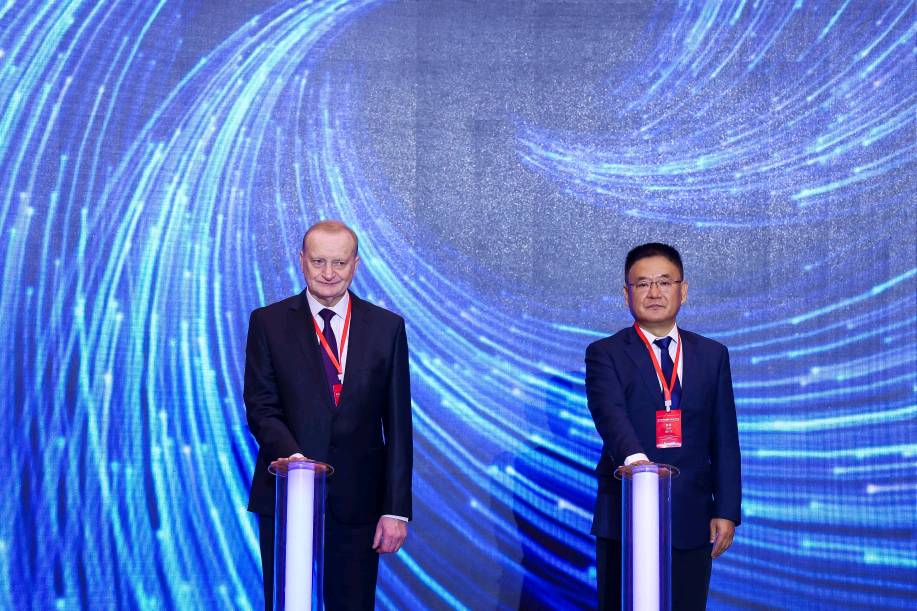
At the opening ceremony, the launch ceremony of think tank construction of SCO member states was held. Gusakov and Sun Haisheng pressed the start button on the stage.
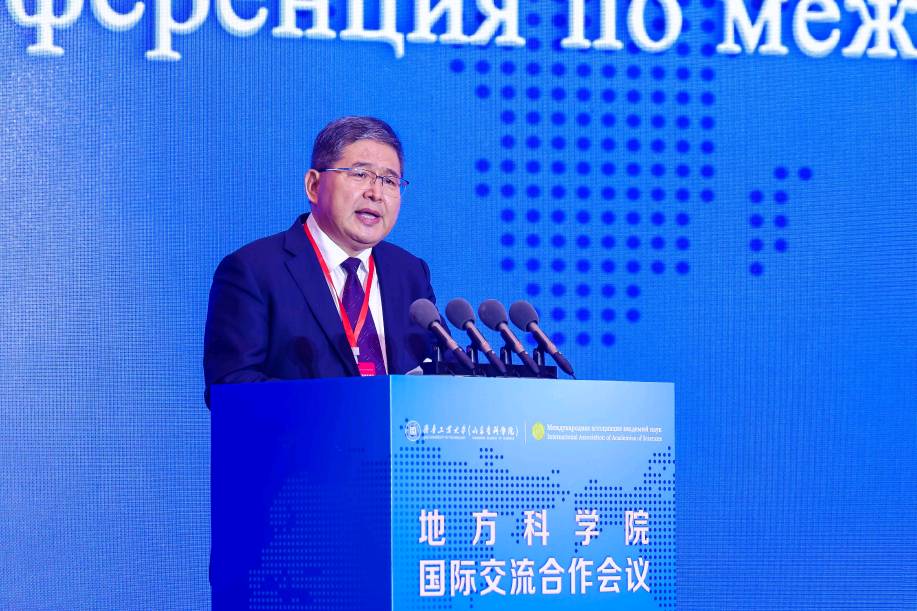
In his speech, Wu Yantao briefly outlined the new achievements made by the university in areas such as building peak disciplines, talent cultivation, scientific and technological innovation, technology transfer, and international cooperation. He also highlighted the new achievements achieved through collaboration with local research institutions under the framework of the National Local Academy of Sciences Joint Conference. Wu stated that this conference is essential for deepening exchanges and cooperation with SCO countries, Belt and Road countries, and all friendly nations, and for building a community with a shared future for mankind. It is also crucial for accelerating the aggregation of innovative resources, fostering new productive forces, and empowering high-quality economic and social development. Furthermore, it presents a rare opportunity to continuously expand our network, enhance our international influence and competitiveness, and achieve win-win outcomes. The university will fully support and ensure the success of the conference, using it as an opportunity to: 1) further deepen international cooperation and continuously build a win-win platform. This involves strengthening international joint innovation, working together to build a scientific and technological community, and ensuring that the benefits of innovation reach people worldwide. 2) further deepen collaborative innovation and continuously serve the four orientations. This includes actively constructing a comprehensive and coordinated innovation system, focusing on both basic research and technological breakthroughs, and accelerating the deep integration of scientific and technological innovation with industrial innovation, truly transforming science and technology into the primary productive forceThird, we need to further deepen cross-cutting integration and continue to make efforts to build a "talent highland". We will strive to build more platforms for joint talent cultivation and utilization, continue to promote organized scientific research, strengthen valuable output, and effectively inject more vitality and momentum into scientific and technological innovation.
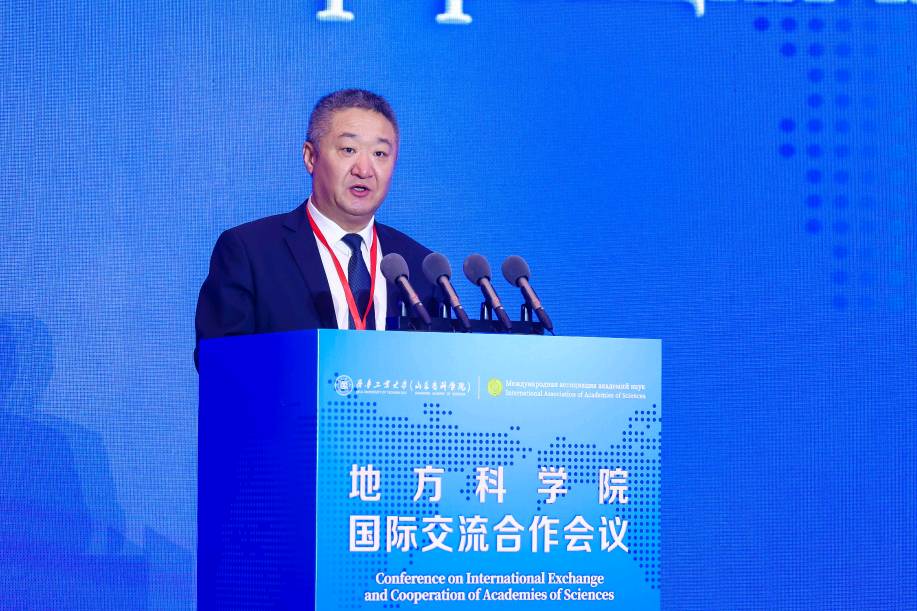
In his speech, Liu Chunyan expressed gratitude to Qilu University of Technology (Shandong Academy of Sciences) for its meticulous organization and thoughtful planning. He noted that the conference, which focuses on international scientific and technological exchanges and cooperation, features distinctive parallel forums and a variety of engaging activities. This setup provides a broad platform for local academies of sciences to engage in international exchanges and cooperation on a broader scale and at a deeper level. It also opens up effective pathways for domestic and foreign researchers to collaborate on joint research projects and actively integrate into the global innovation network, contributing positively to the development of an open and innovative ecosystem with global competitiveness.
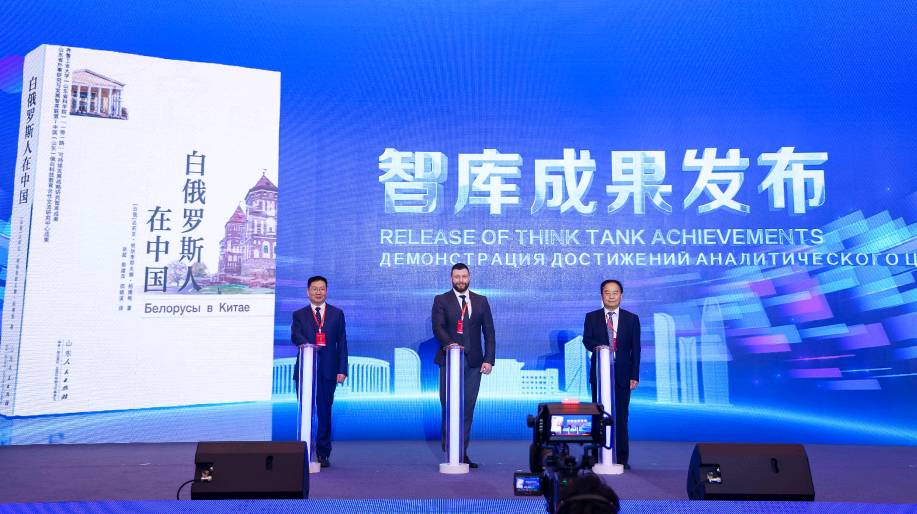
At the meeting, a ceremony was held to release the think tanks achievements. Dudiak Alexander Mikhailovich, Wang Juncheng and Duan Peiyong pressed the button together to officially release the think tanks achievements "Belgians in China".
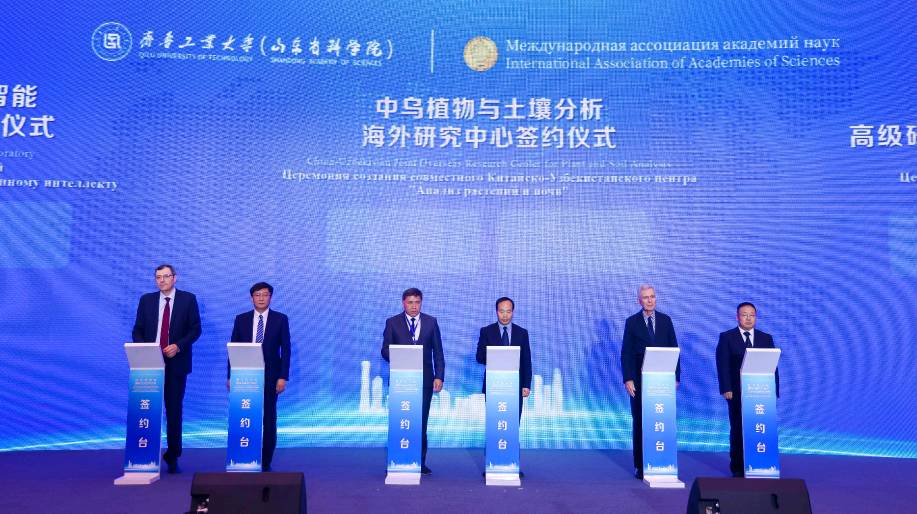
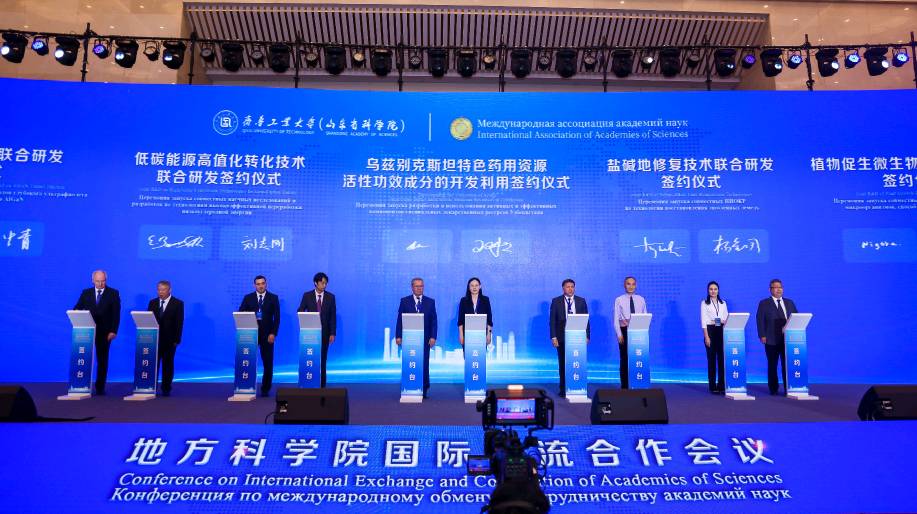
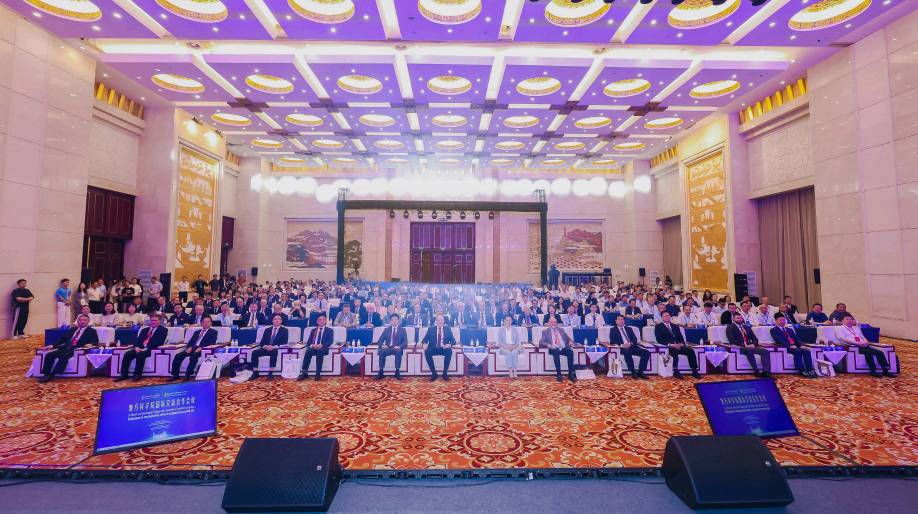
At the meeting, China and Russia signed agreements on the joint construction of three innovation platforms, including the China-Russia Joint Artificial Intelligence Laboratory, and five cooperation agreements on scientific research projects, including the development and utilization of active ingredients from Uzbekistans characteristic medicinal resources.
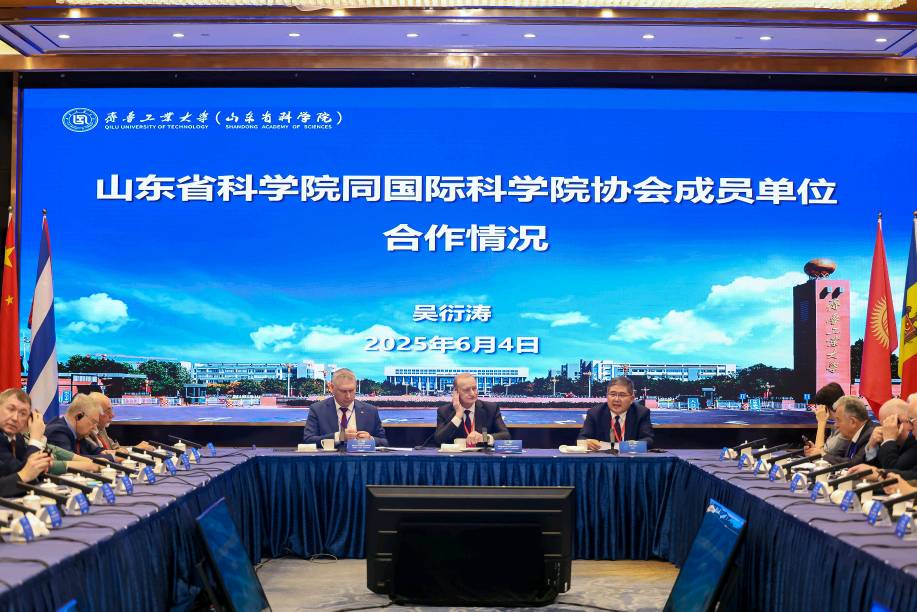
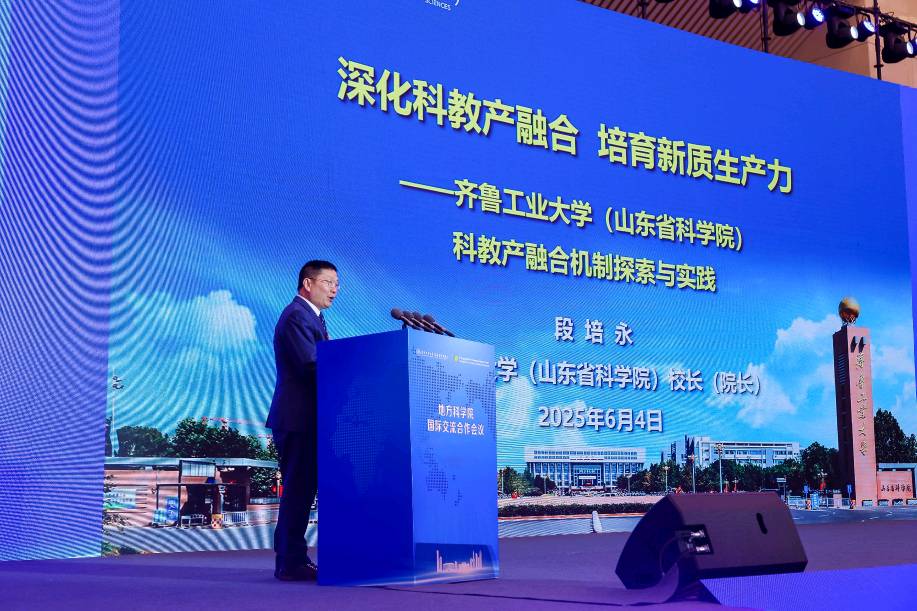
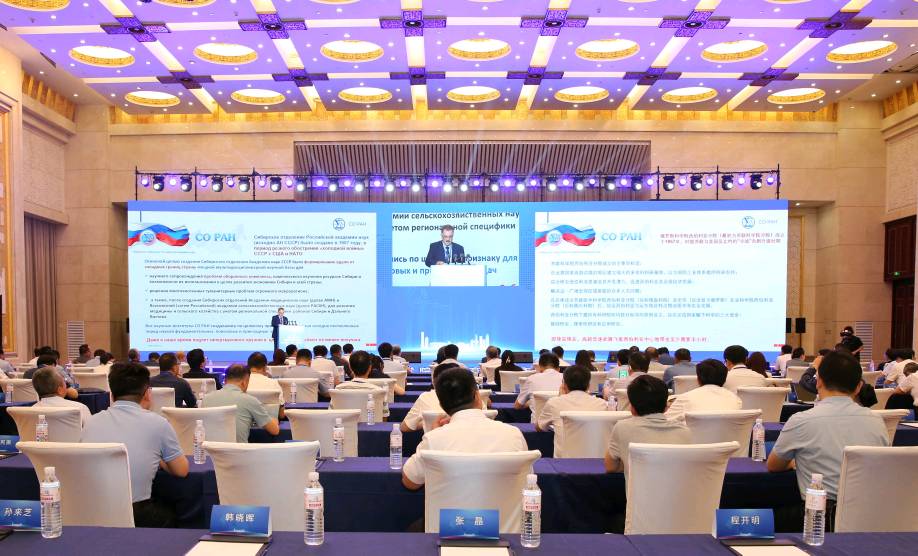
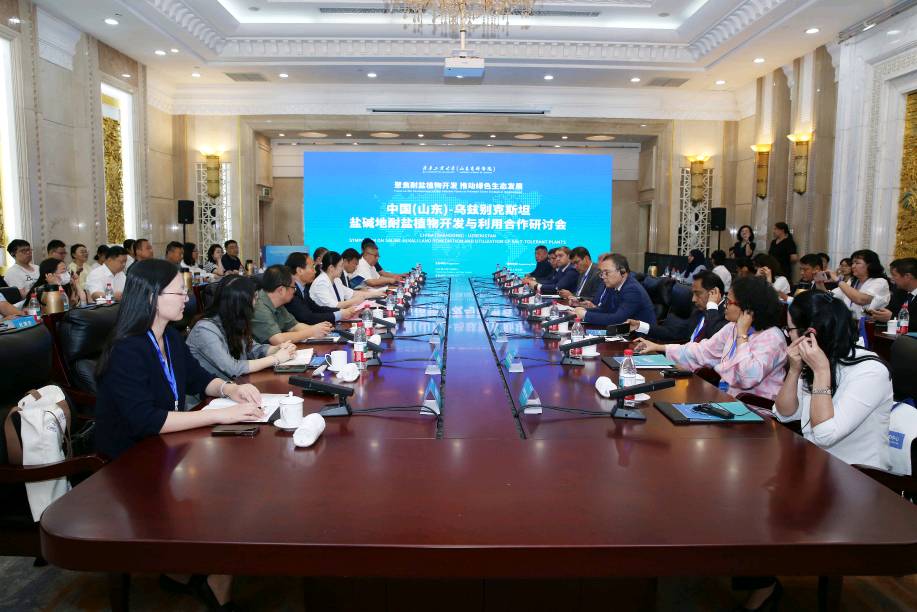
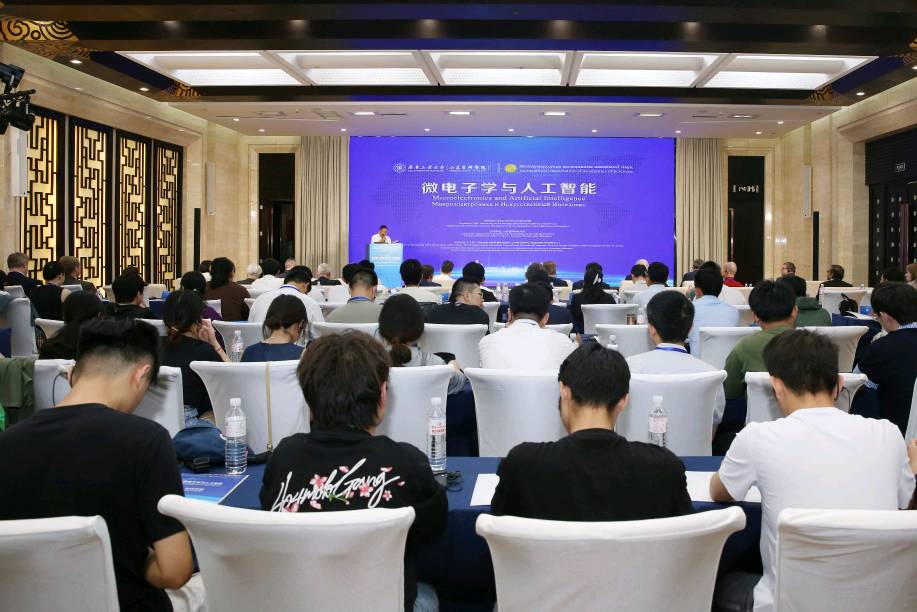
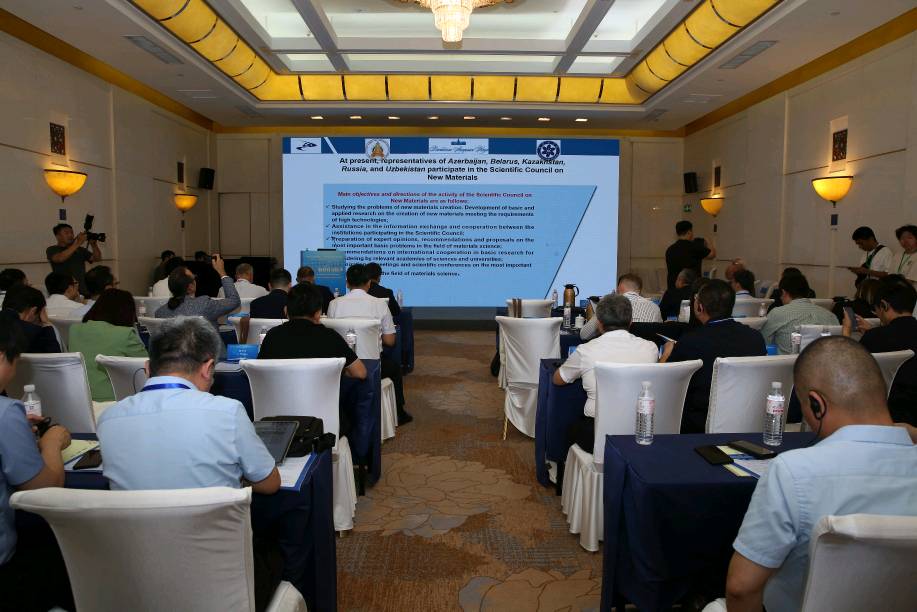
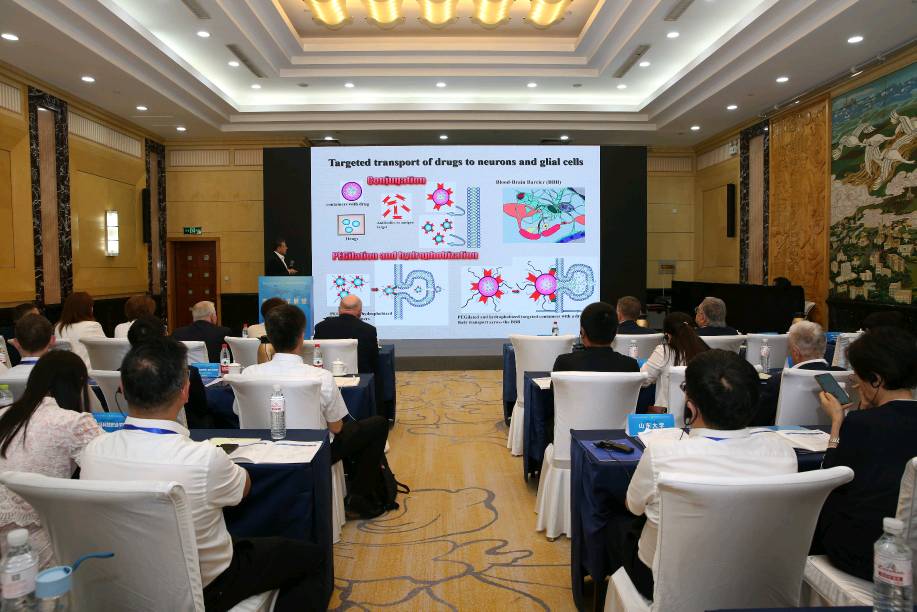
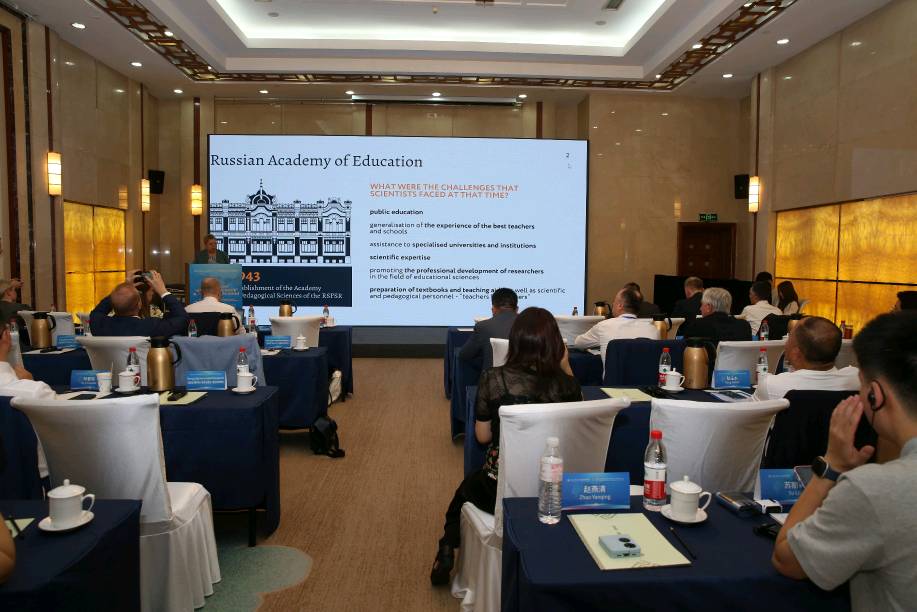
The three-day conference featured a series of academic activities centered around topics such as the outlook for life sciences, microelectronics and artificial intelligence, energy, new materials and technologies, culture, art, and history. Experts from Russia, Brazil, Canada, Belarus, Serbia, Kyrgyzstan, Armenia, Uzbekistan, Kazakhstan, and Azerbaijan delivered over 70 specialized academic presentations. These efforts furthered exchanges and mutual learning, fostered cooperation, and injected new momentum into the development of international scientific and technological innovation.
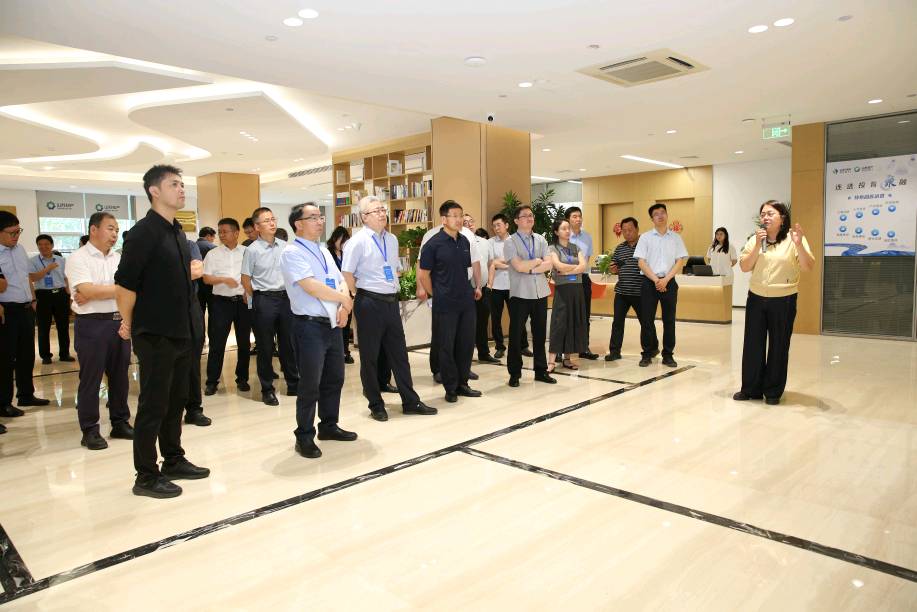
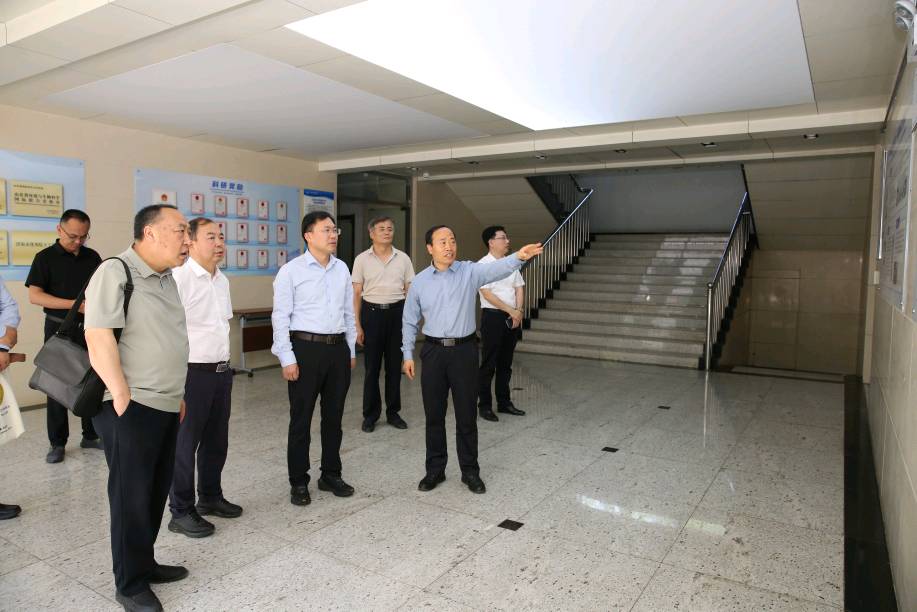
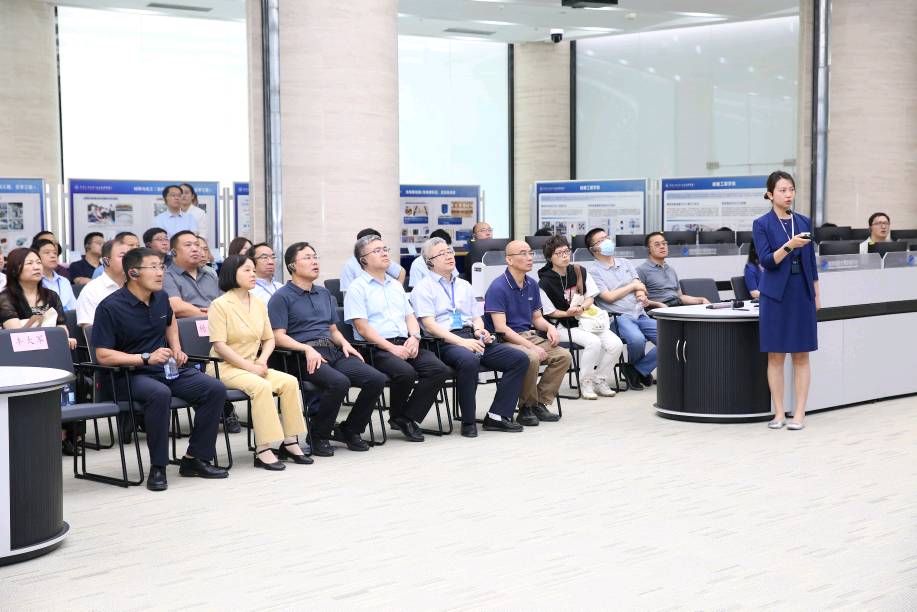
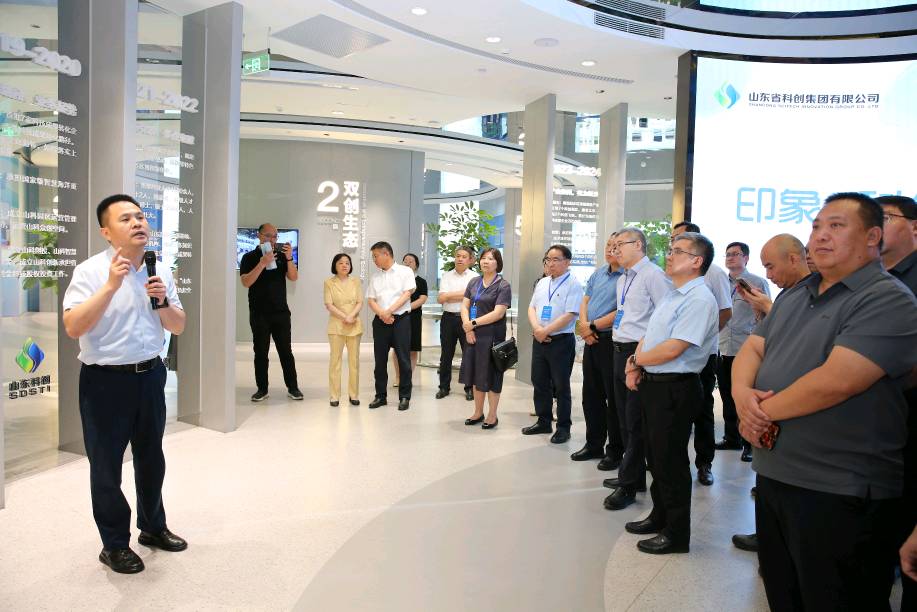
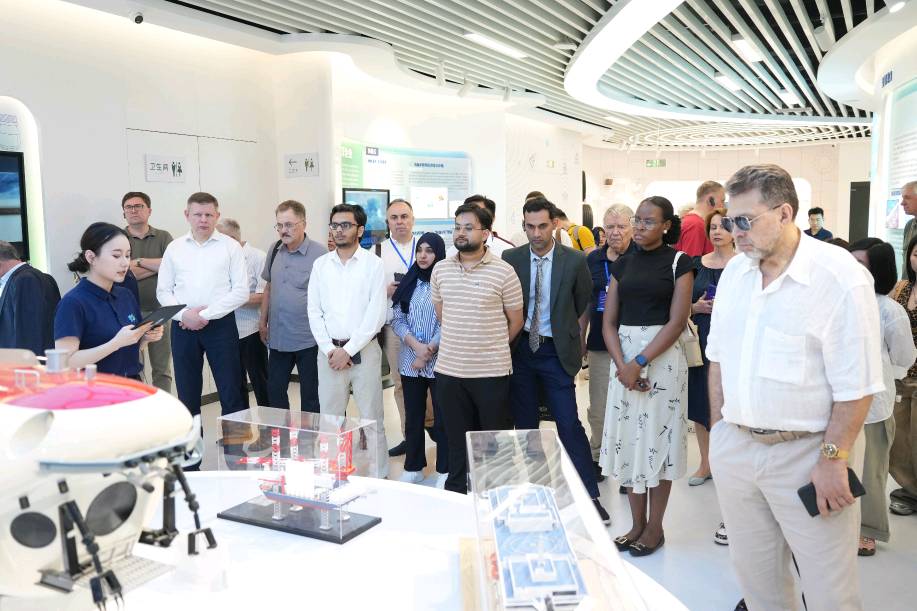
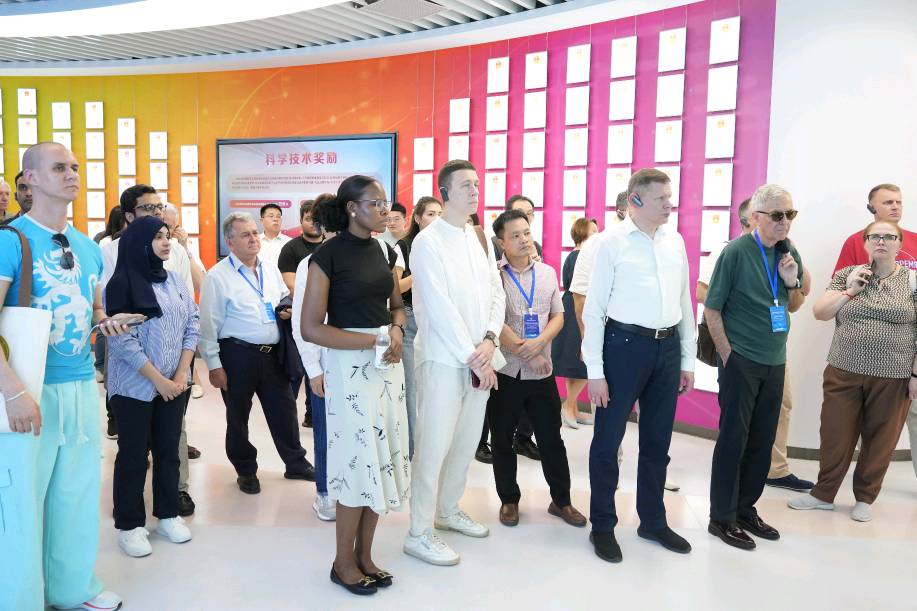
During the conference, participants visited Shandong Science and Technology Market, National Supercomputing Center in Jinan, Supercomputing Science and Technology Park, Shandong Science and Technology Innovation Group, etc.
