


The First Meeting of the First Academic Committee and the Achievement Release Conference of the China-Belarus Belt and Road Joint Laboratory for Intelligent Perception in Extreme Environments Successfully Convened
On February 7, the first meeting of the first academic committee and the achievement release conference of the China-Belarus Belt and Road Joint Laboratory for Intelligent Perception in Extreme Environments was held in Jinan. Guided by the Department of Science and Technology of Shandong Province and hosted by the Science and Technology Bureau of Jinan Municipality, the event was co-organized by Qilu University of Technology (Shandong Academy of Sciences), the National Academy of Sciences of Belarus and Tianjin University. Sergei Shcherbakov, Vice President of the Presidium of the National Academy of Sciences of Belarus, Ming Dong, Vice President of Tianjin University, Zhang Xingwang, Chief Engineer of the Department of Science and Technology of Shandong Province, Wang Fuling, Deputy Director of the Science and Technology Bureau of Jinan Municipality, Wu Yantao, Secretary of the Party Committee of Qilu University of Technology (Shandong Academy of Sciences), Liu Yu, Deputy Secretary of its Party Committee, and other distinguished leaders and guests were in attendance. The event was presided over by Duan Peiyong, President of Qilu University of Technology (Shandong Academy of Sciences).
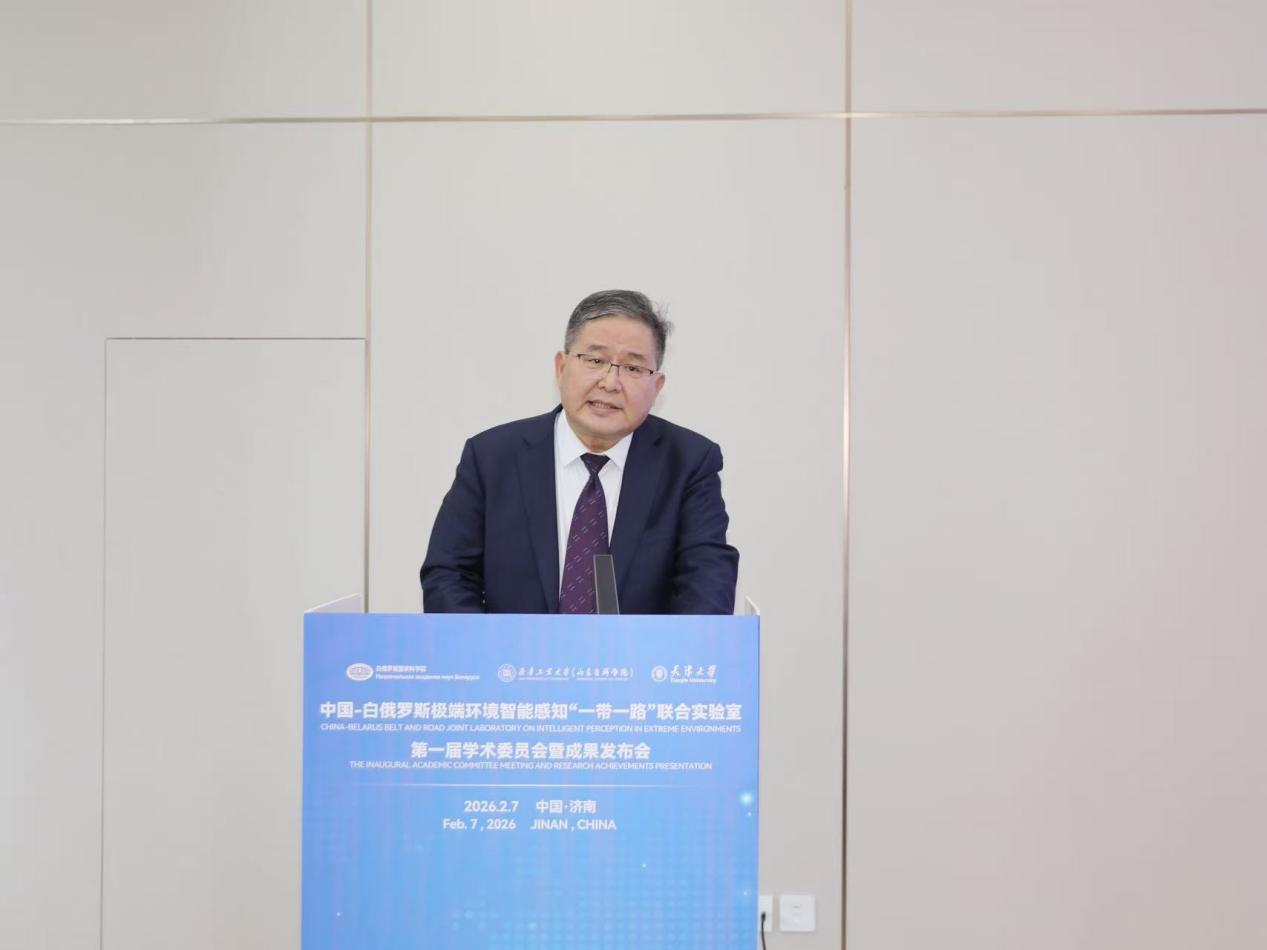
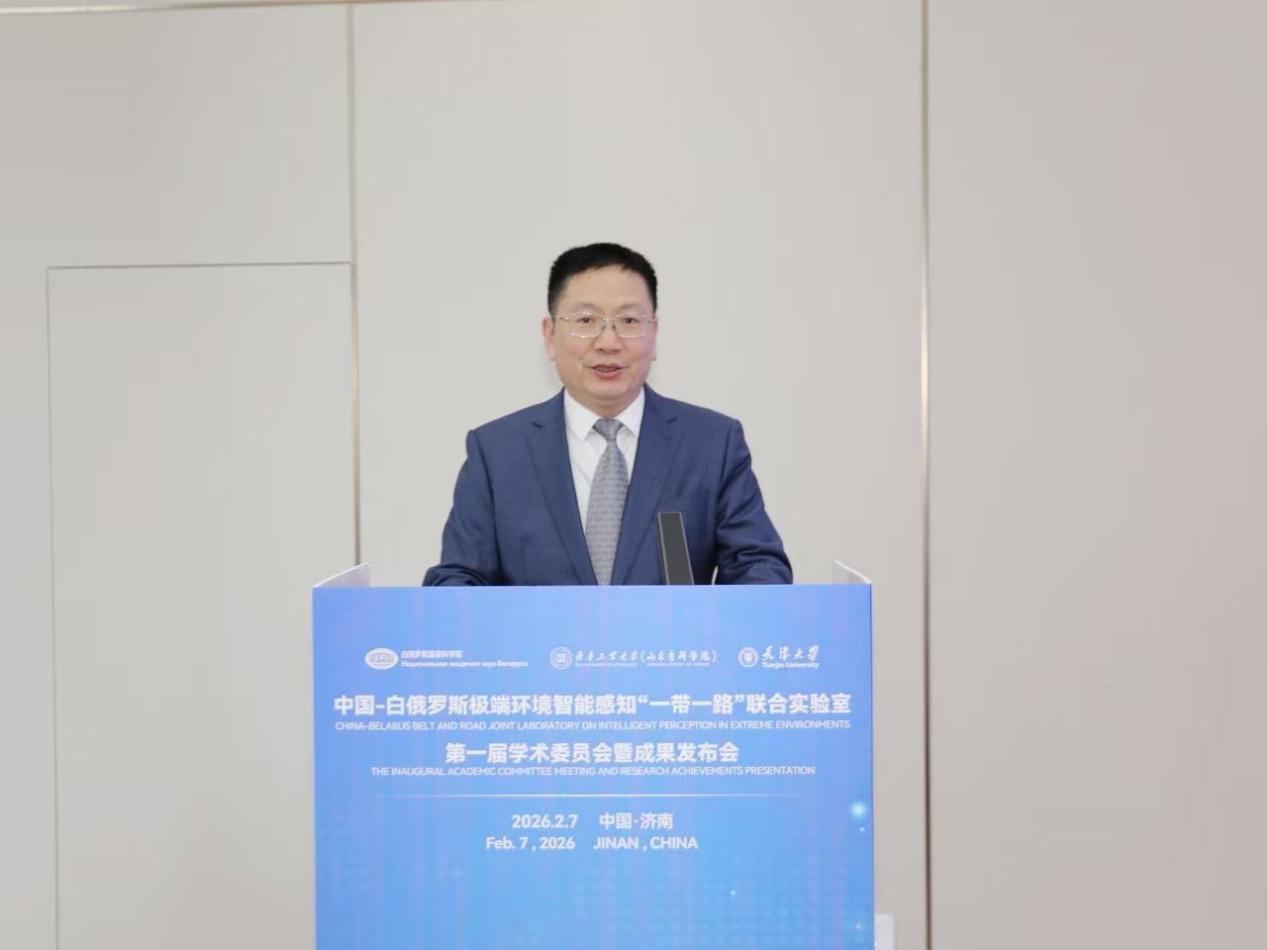
In his welcome address, Wu Yantao pointed out that this conference is an inevitable requirement for serving the major-country diplomacy strategy and deepening the China-Belarus all-weather comprehensive strategic partnership, a crucial component of accelerating the development of the Belt and Road sci-tech innovation community and boosting the high-quality development of the global economy and society, as well as a rare opportunity to enhance the quality and efficiency of constructing high-level scientific research platforms and advance the development of world-class universities. He stated that as the supporting institution of the laboratory, Qilu University of Technology (Shandong Academy of Sciences) will collaborate with the National Academy of Sciences of Belarus, the foreign supporting institution, and Tianjin University, the co-constructing institution, to strengthen joint scientific research, achievement sharing and talent co-cultivation. It will strive to develop the laboratory into a model for international sci-tech cooperation, a powerful engine for tackling core technological problems, and a highland for gathering top innovative talents.
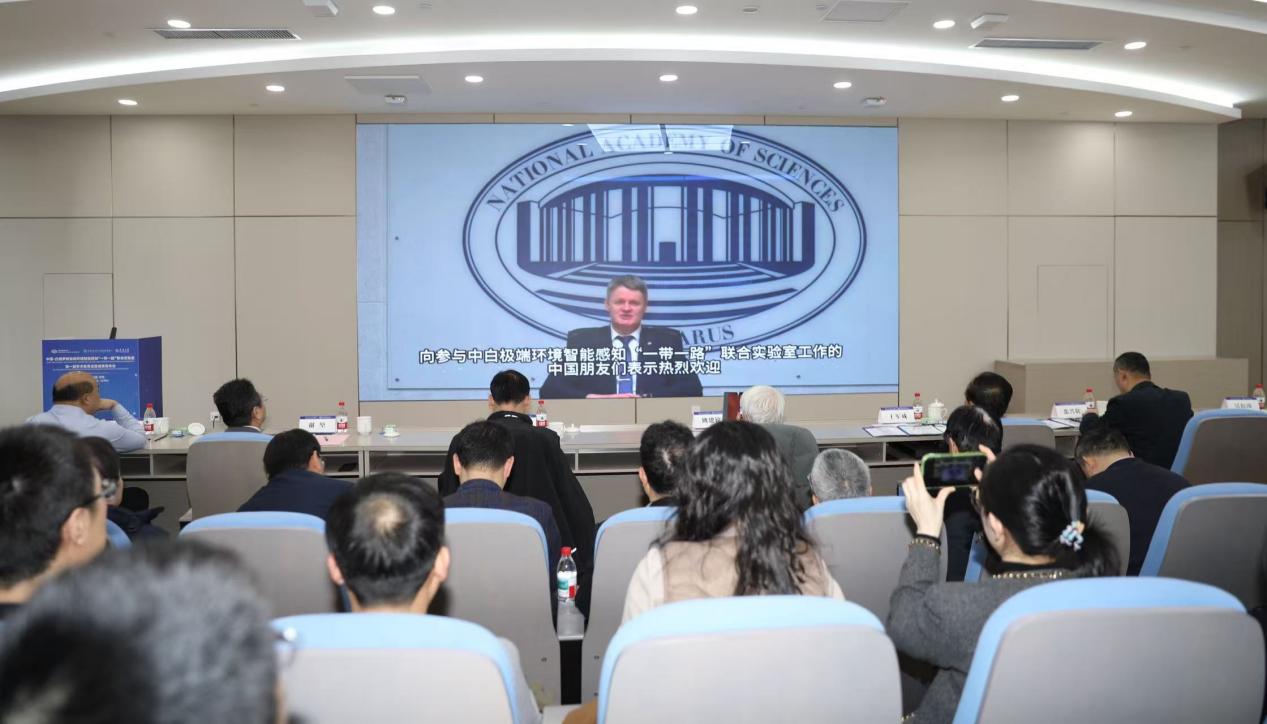
"The laboratory, as a solid bridge linking the scientific research systems of China and Belarus, will pool the wisdom and strength of the two countries and emerge as a robust R&D center for pioneering groundbreaking innovative technologies," noted Sergei Shcherbakov in his video address. He expressed full confidence in future cooperation and announced plans to organize international academic conferences, young scientists forums and other events within the year to accelerate the laboratory's development.
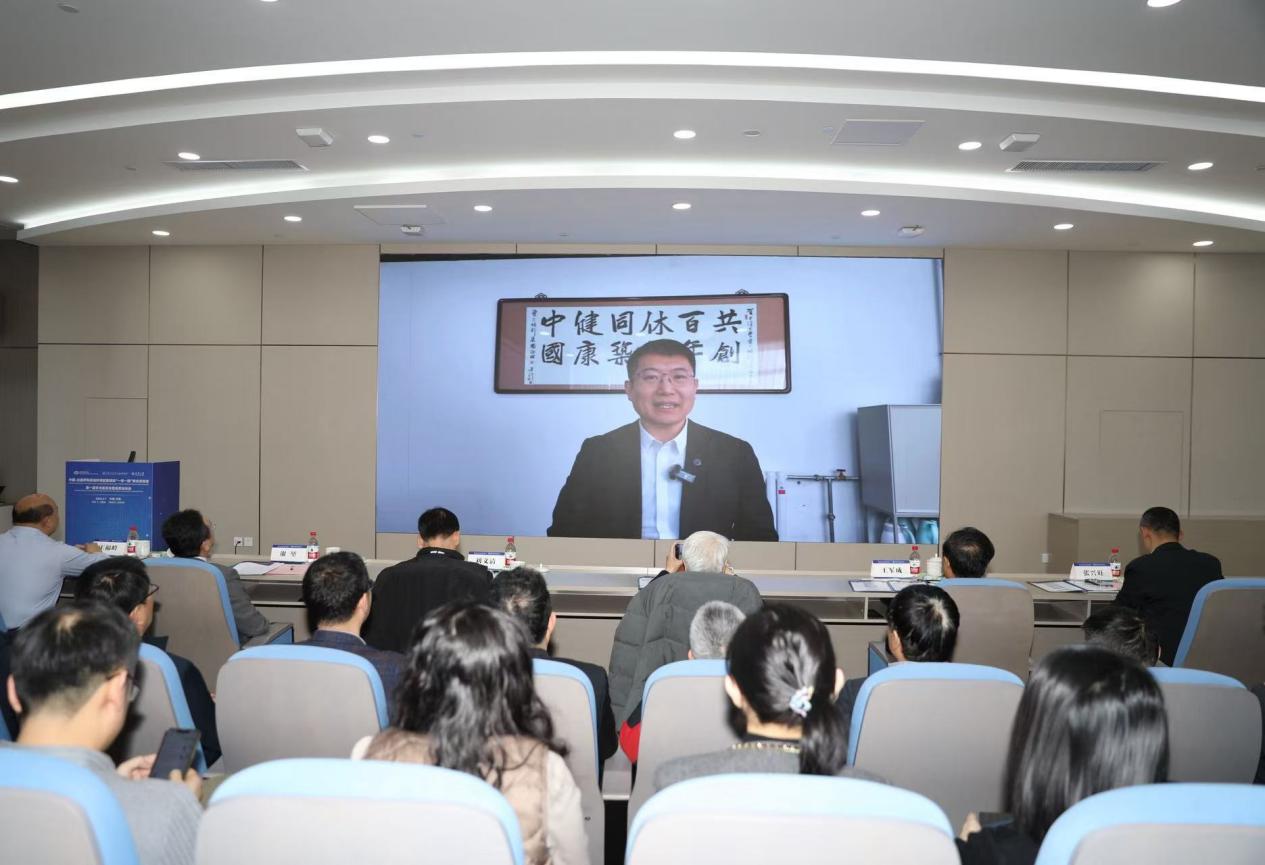
On behalf of the co-constructing institution, Ming Dong extended warm congratulations on the establishment of the laboratory and emphasized that the launching of this event marked the laboratory's entry into a new phase of development driven by academic leadership. Ming Dong stated that Tianjin University will support the laboratory's development in four key areas: advancing the interdisciplinary integration of cutting-edge multi-disciplinary research, fostering an open and collaborative academic ecosystem, strengthening the cultivation of young talents and the inheritance of academic achievements, and optimizing the academic evaluation and guidance mechanisms.
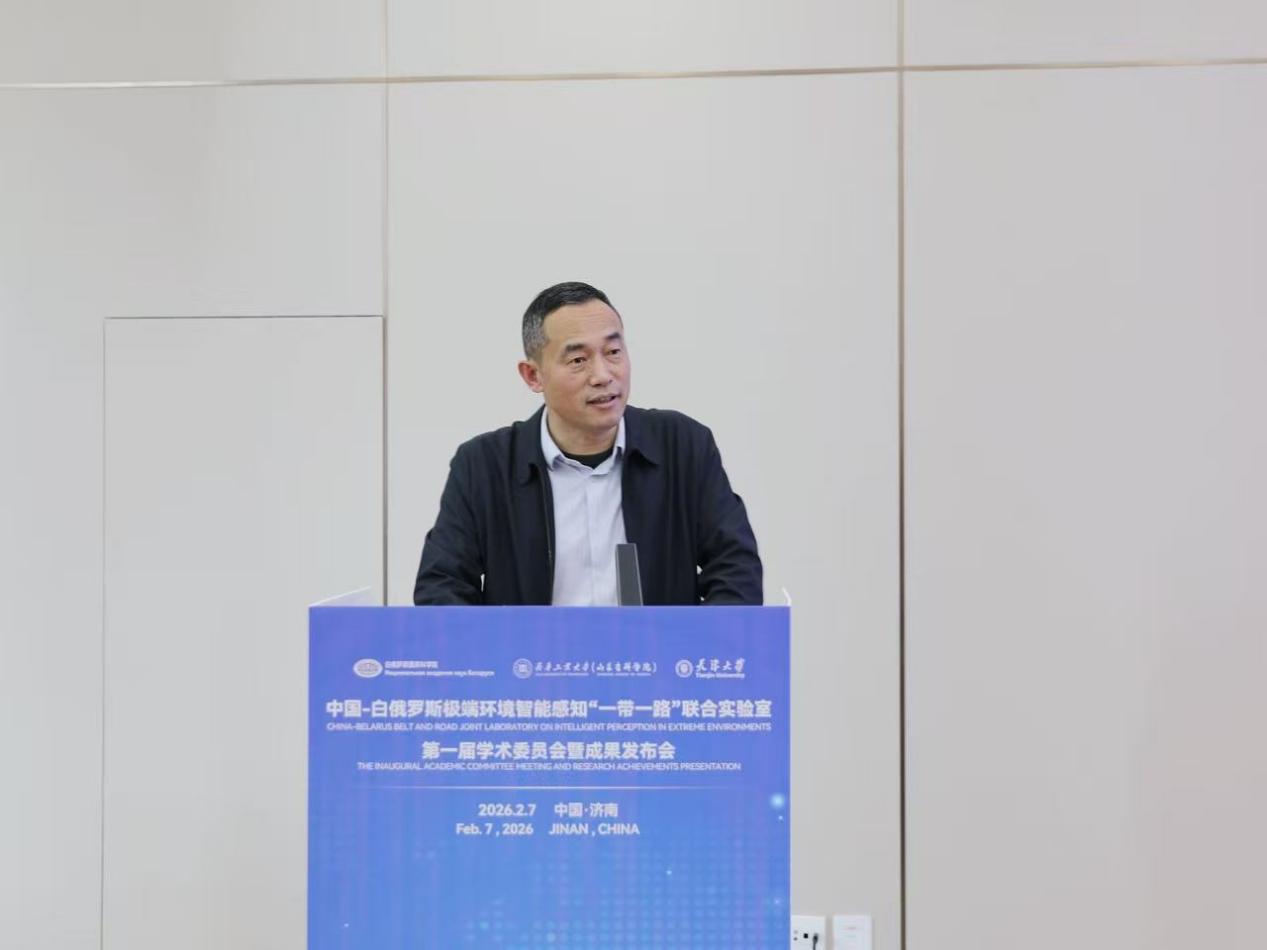
Zhang Xingwang stressed that Shandong Province attaches great importance to sci-tech cooperation with countries along the Belt and Road, and the joint laboratory bears the mission of "taking the lead and shouldering the core responsibility" in the course of scientific and technological innovation and development in Shandong. The Department of Science and Technology of Shandong Province will fully support the construction and development of the laboratory, effectively implement relevant supporting policies, and strive to build the laboratory into a high-level international sci-tech cooperation platform featured by a high concentration of international cooperation elements, efficient resource allocation, frequent talent exchanges and interactions, smooth channels for achievement transformation, and synergistic innovation through multi-lateral strong partnerships.
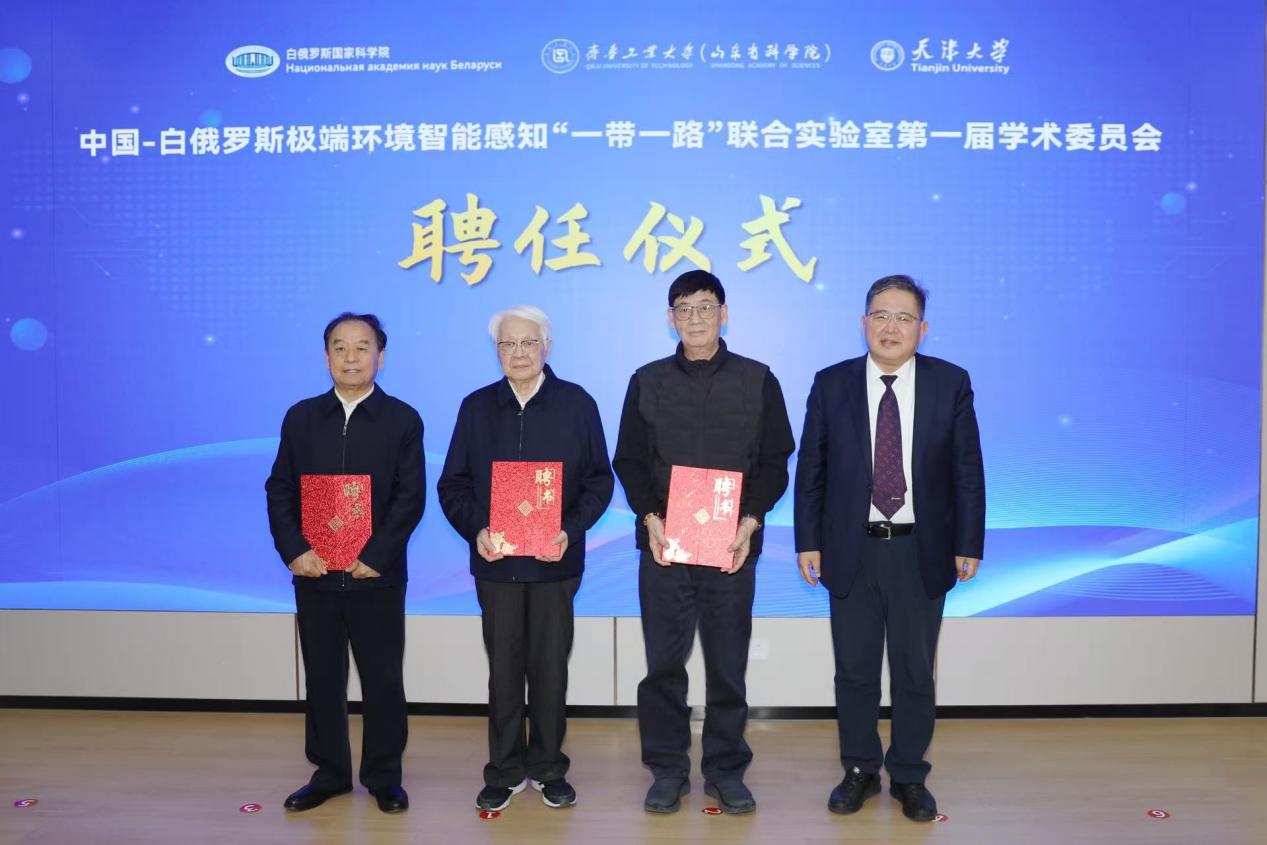
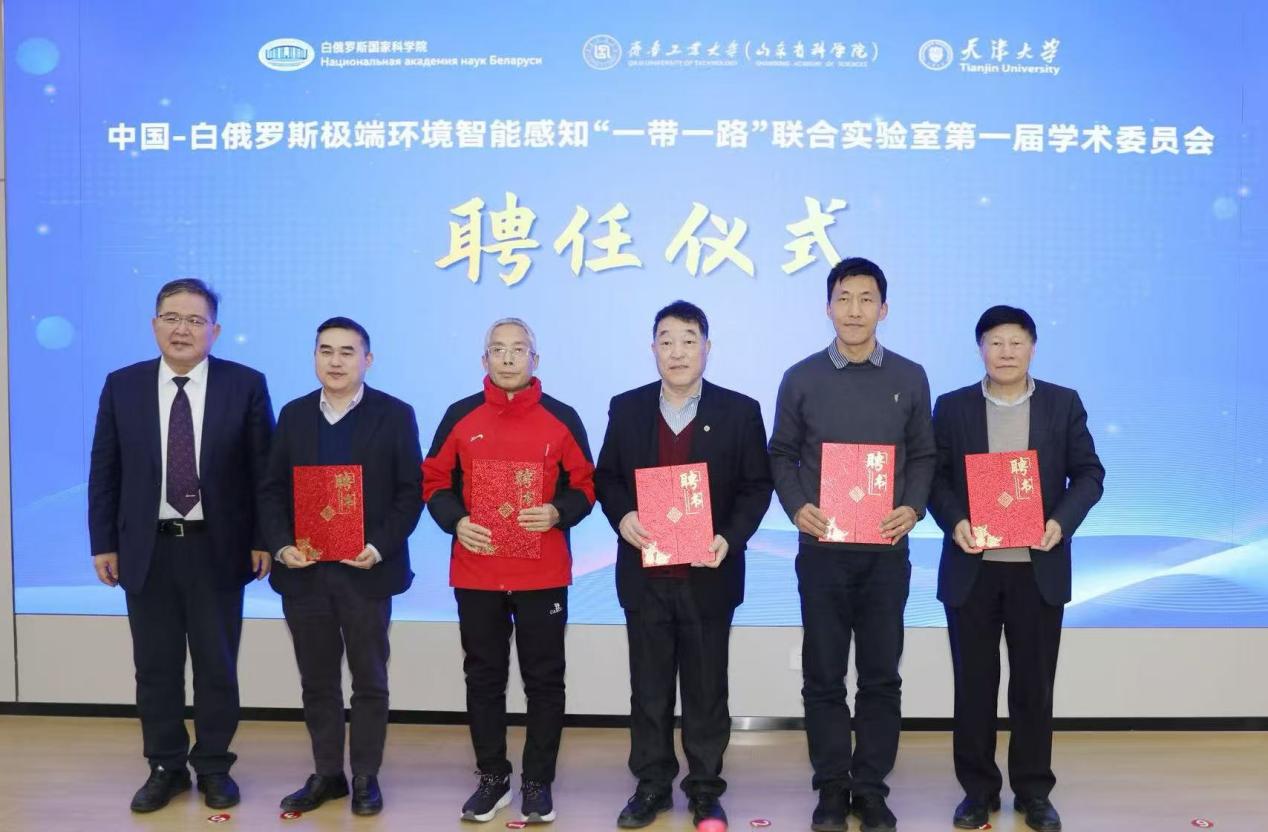
At the appointment ceremony of the academic committee of the joint laboratory, Wu Yantao presented appointment letters to all committee members. He expressed the expectation that all experts would leverage their outstanding academic leadership and international influence to help the laboratory continuously scale new heights in scientific and technological innovation.
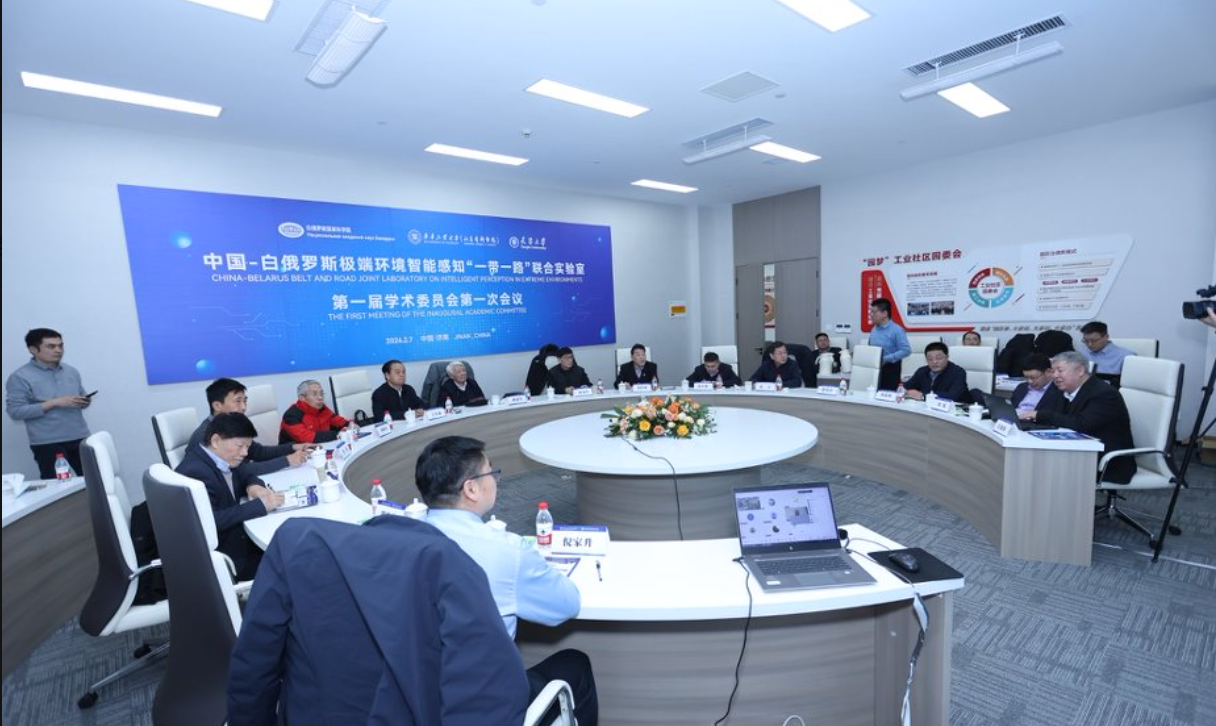
Subsequent to the opening ceremony, the first meeting of the first academic committee of the laboratory was held. Academician Yao Jianquan from Tianjin University, Academician Liu Wenqing from the Anhui Institute of Optics and Fine Mechanics, Chinese Academy of Sciences, Academician Wang Juncheng from Qilu University of Technology (Shandong Academy of Sciences) and other committee members reviewed the laboratory's construction goals and research directions, approved the relevant content of cooperative research, and emphasized that every effort should be made to achieve the expected outcomes of the laboratory's construction.
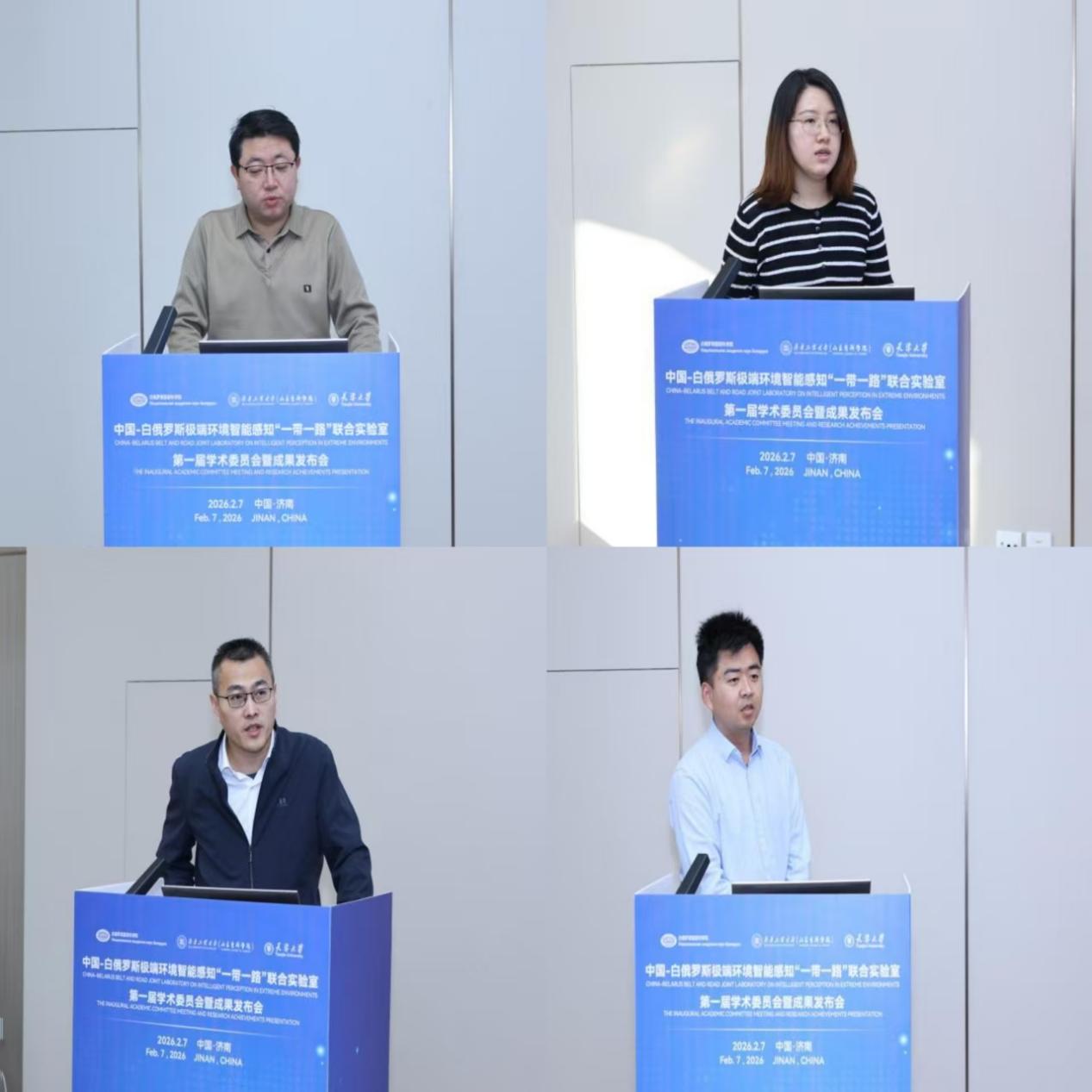
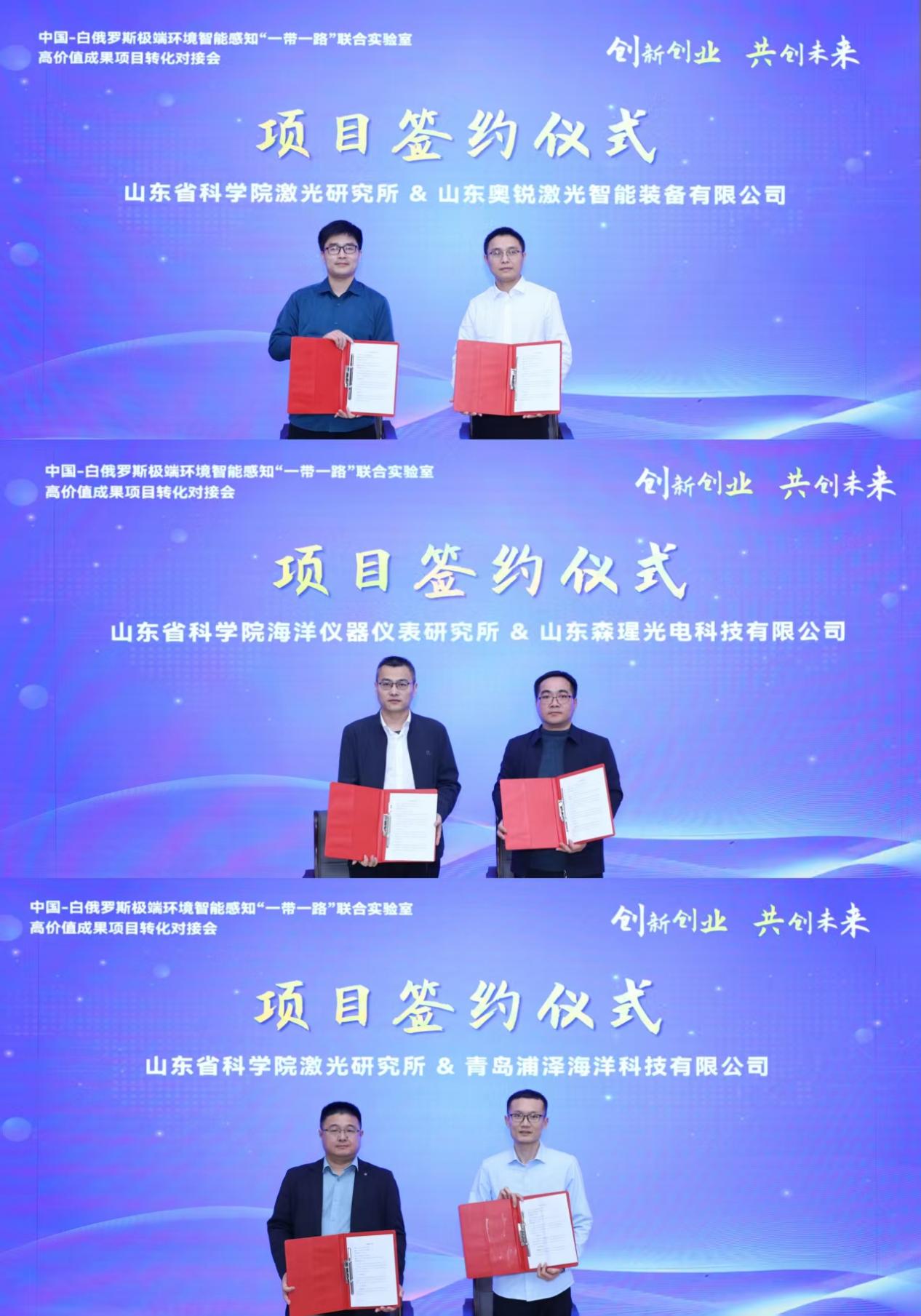
A docking conference for the transformation of high-value achievement projects of the China-Belarus Belt and Road Joint Laboratory for Intelligent Perception in Extreme Environments was held concurrently on-site. Experts and scholars from the Laser Research Institute of Shandong Academy of Sciences, the Ocean Instrument and Meter Research Institute of Shandong Academy of Sciences, Tianjin University and other institutions released four key research achievements, namely Optical Fiber Intelligent Perception Technology and Its Applications, Multi-parameter and Multi-modal Optical Fiber Perception Technology and Its Applications, R&D and Technological Breakthroughs of Instruments and Meters for Marine Extreme Environments and Low-power Mid-infrared Optoelectronic Chips for Intelligent Perception. In addition, three cooperation agreements were signed, covering the research and development of cutting-edge technologies and new products for laser intelligent equipment, diamond film temperature, salinity and depth sensors, as well as laser detection and measurement technologies.
The joint laboratory has formulated a series of construction plans and will carry out physical construction in Jinan and Minsk simultaneously. Centering on the major national strategies of energy security, building a strong marine country and aerospace development, and focusing on the technical demands of intelligent perception in extreme environments such as the deep earth, deep sea and deep space, the laboratory will conduct joint research in key dimensions including perception mechanisms, core devices, recognition and decision-making algorithms, as well as intelligent systems and equipment. It will strive to break through core technological bottlenecks and build a full-chain, cross-regional international sci-tech innovation network.
Responsible persons of the relevant functional departments of the National Academy of Sciences of Belarus and Qilu University of Technology (Shandong Academy of Sciences), as well as leaders and faculty members of the Optoelectronic Department, attended the event both online and offline.
