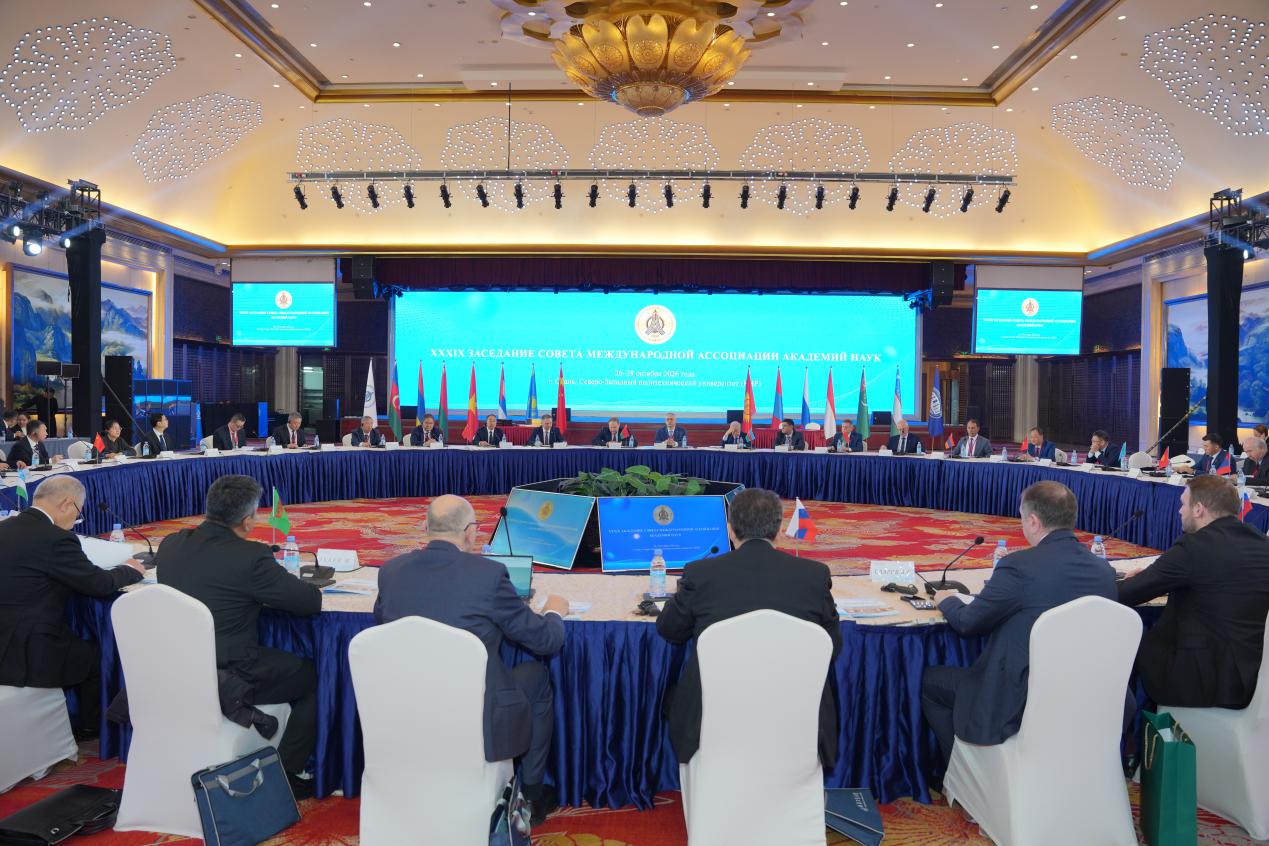


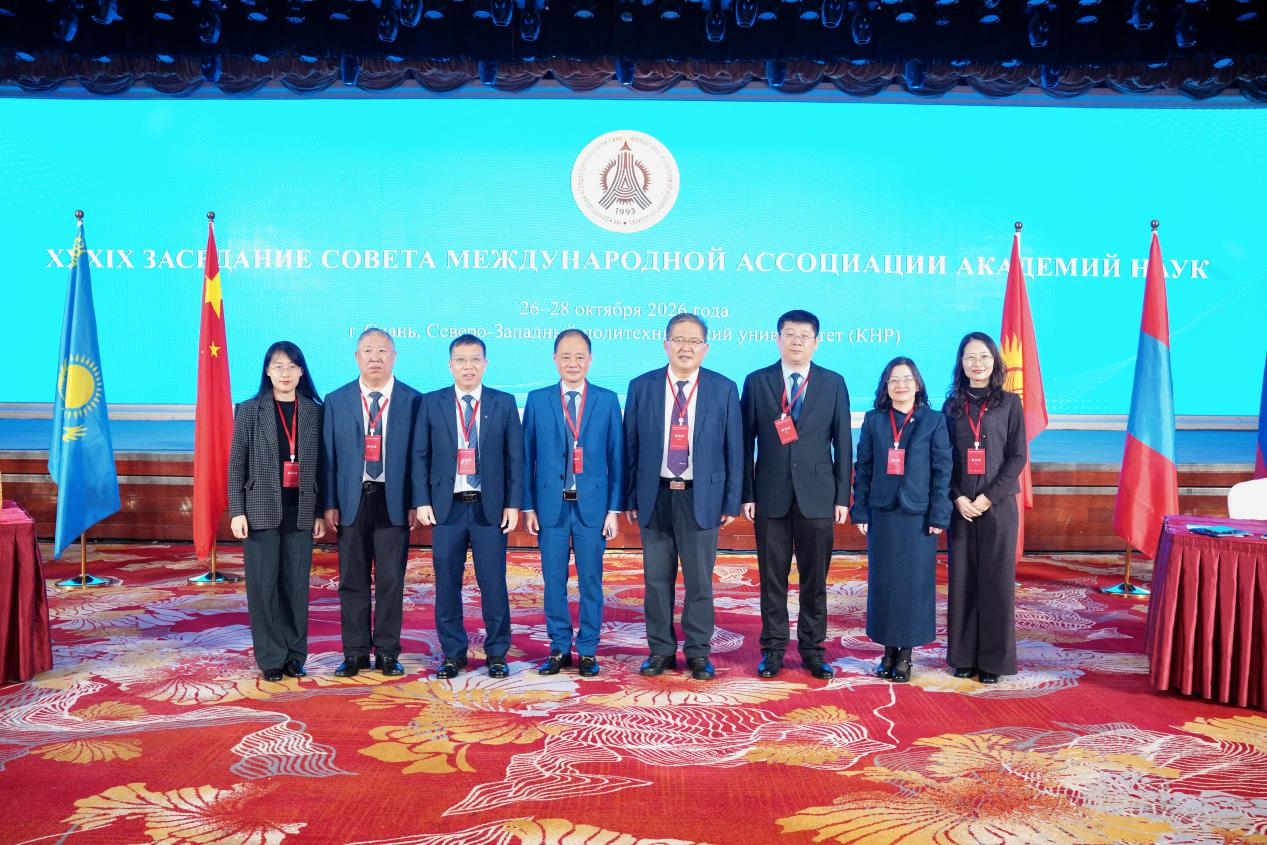
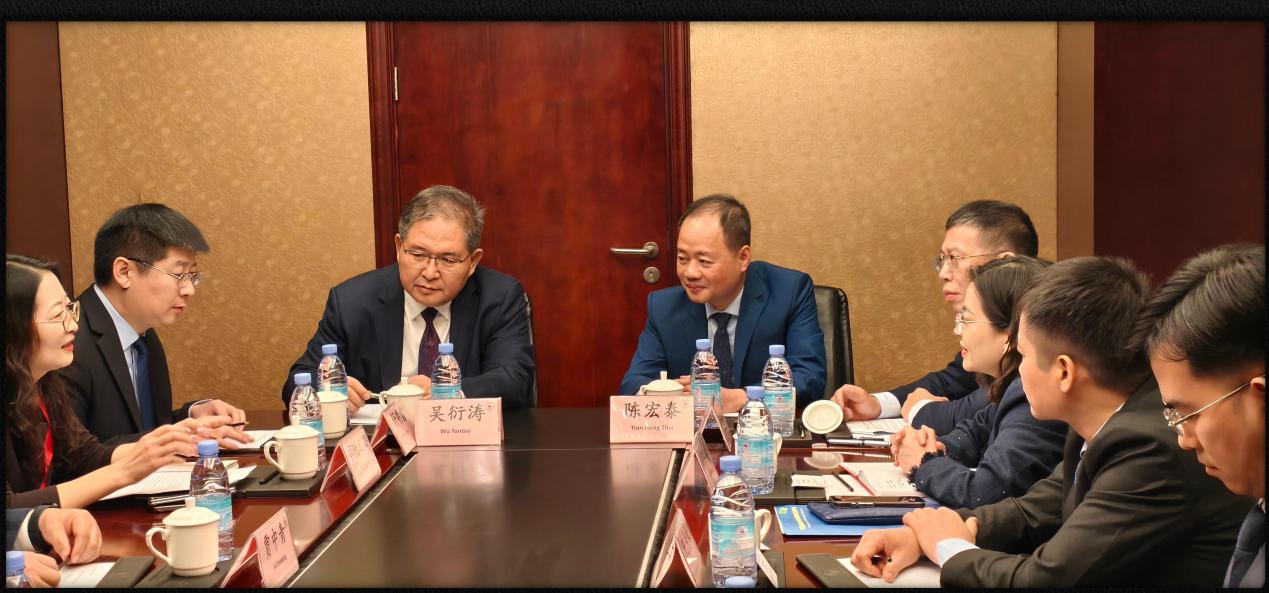
On October 26, 2026, the 39th Council Meeting of the International Association of Academies of Sciences (IAAS) convened in Xi’an. Wu Yantao, Party Secretary of Qilu University of Technology (Shandong Academy of Sciences), was invited to the event and delivered a special topic report. Centered on the theme Expanding Scientific and Technological Cooperation among Academies amid the Current Global Landscape, the meeting drew representatives from research institutions of 13 countries including Russia, Belarus, Vietnam, Cuba, Turkmenistan and Kyrgyzstan, who explored new pathways for international scientific and technological collaboration. During the conference, Wu Yantao held separate talks with Vladimir Kananik, President of IAAS and Chairman of the Presidium of the National Academy of Sciences of Belarus, and Tran Hong Thai, Party Secretary and President of the Vietnam Academy of Science and Technology.
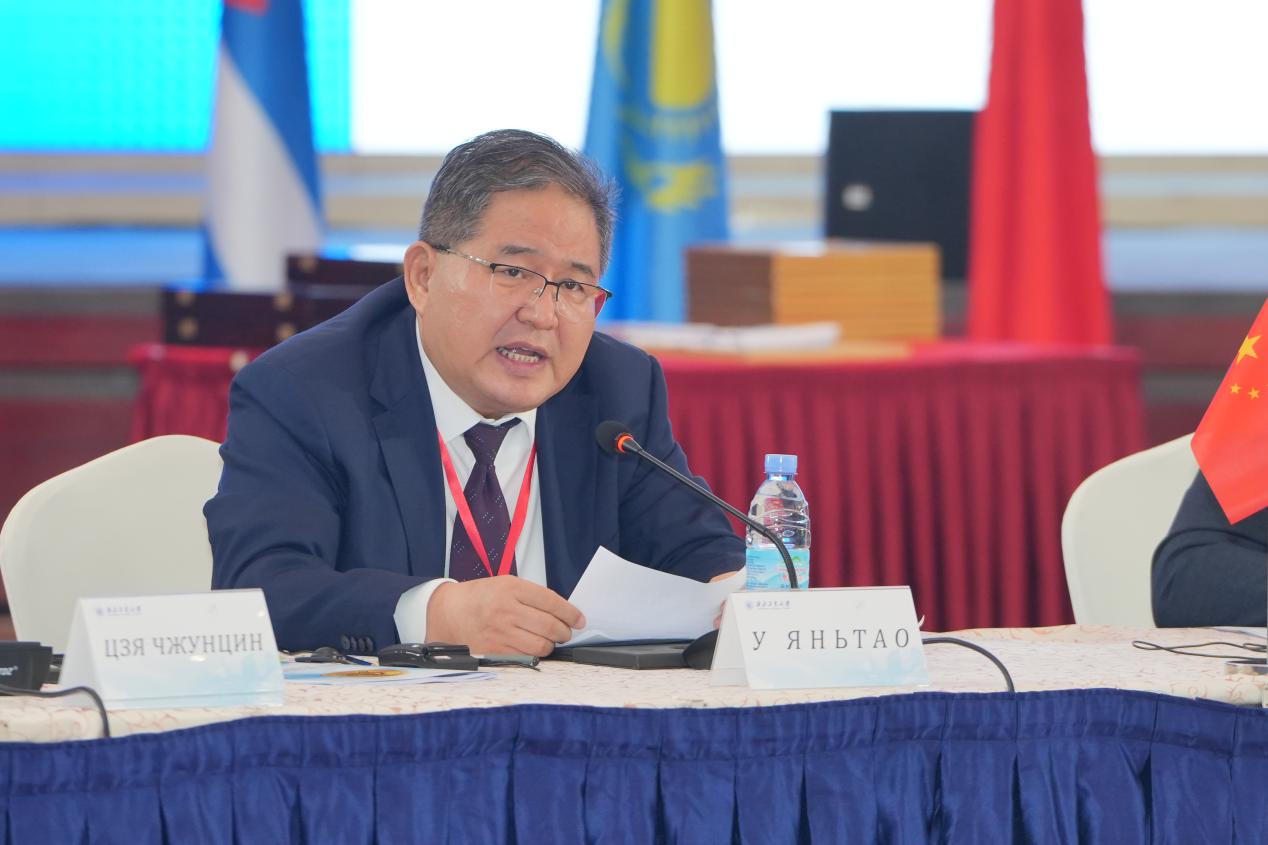
In his report, Wu Yantao systematically elaborated on the university academy’s practices and insights in international scientific technological collaboration and in depth inter academy cooperation.First, prioritizing co construction of platforms to bolster the enabling capacity for collaborative innovation. By jointly building high level international cooperation platforms, the university academy accelerates resource sharing and joint scientific research with universities and research institutes of SCO and Belt and Road countries.Second, prioritizing joint talent cultivation to fuel scientific research breakthroughs. By streamlining channels for talent exchanges, it fosters distinctive research areas and high caliber academic teams to unlock greater innovation momentum.Third, prioritizing shared research outcomes to drive high quality industrial development. Working alongside world class overseas universities and research institutes on theoretical studies and technical tackling, it fosters new quality productive forces.He noted that openness and cooperation define the development trajectory of the International Association of Academies of Sciences. It is also an inevitable choice for addressing global common challenges and charting future growth. He looked forward to working with IAAS member institutions to further optimize the cooperation ecosystem. Through higher level and deeper collaborative dialogue mechanisms, efforts will be made to advance platform connectivity, talent integration and mutual benefit of research outputs, achieve more original theoretical advances and breakthroughs in core key technologies, and contribute to building a global community of science and technology.
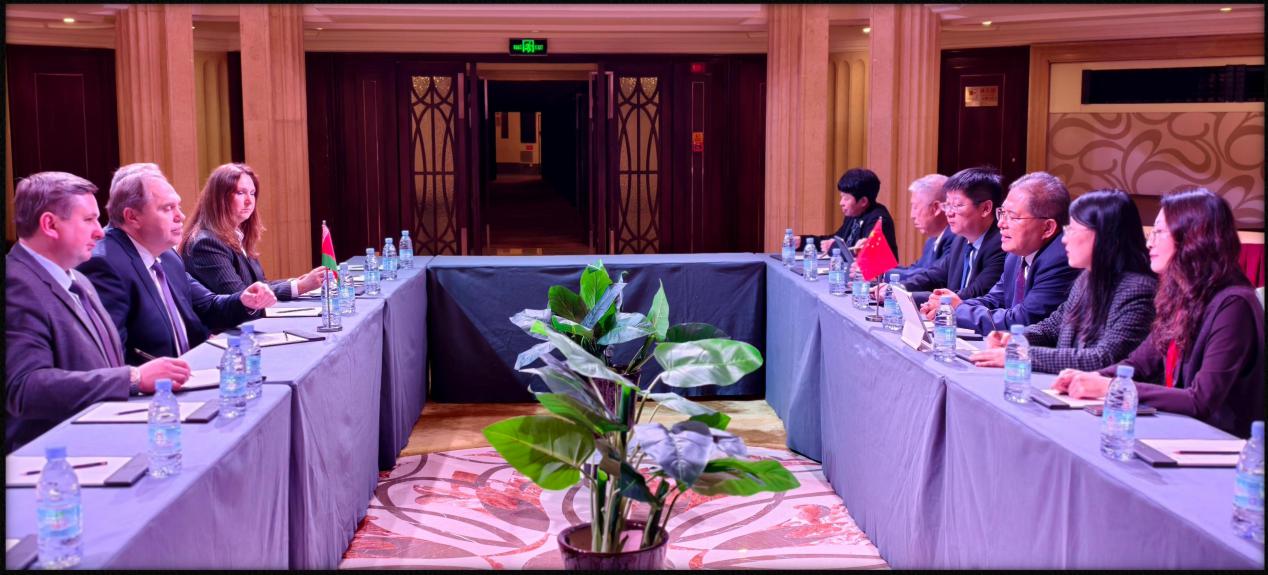
During his meeting with Vladimir Kananik, Chairman of the Presidium of the National Academy of Sciences of Belarus, the two sides agreed to leverage the China Belarus Belt and Road Joint Laboratory for Intelligent Sensing under Extreme Environments. They will push forward the construction of physical laboratory platforms in Jinan and Minsk as well as personnel exchanges, realize the integration of projects, platforms and talents, dispatch faculty and students for joint research and scientific practice, and cultivate young talents for bilateral cooperation.
In the meeting with Tran Hong Thai, Party Secretary and President of the Vietnam Academy of Science and Technology, both sides reached consensus to take the IAAS as a bond to establish regular communication channels. They will sort out resource matching lists covering institutions, platforms and experts, and conduct reciprocal field visits in due course to deliver tangible pragmatic cooperation.
Founded in 1993, the International Association of Academies of Sciences (IAAS) aims to integrate and share scientific technological resources for multi disciplinary research, popularize findings from basic and applied research, and pool scientific expertise to address social development challenges. Qilu University of Technology (Shandong Academy of Sciences) joined IAAS in 2019. In June 2025, it hosted the 2nd Academic Committee Meeting of IAAS, marking the association’s first academic event held in China. The current session reviewed the association’s annual work report and discussed membership expansion and other matters.